October 20, 2026 · Water Damage Tips
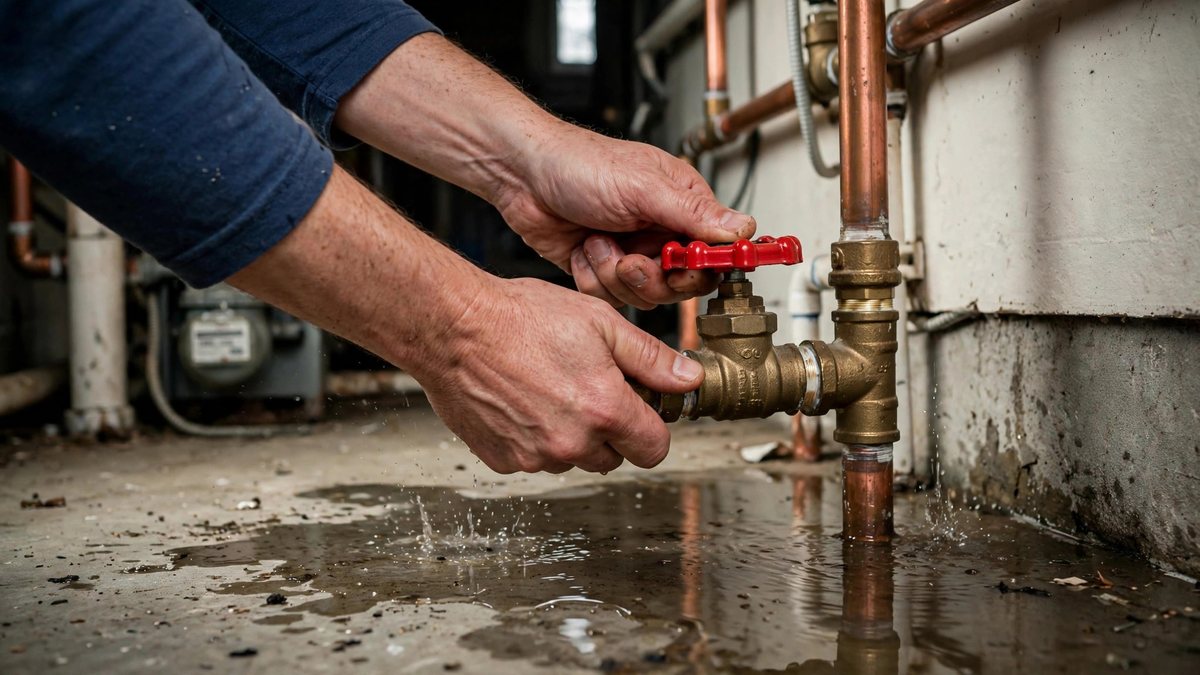
A burst pipe can release a surprising amount of water in a short time, and the first hour matters most. Knowing where your shut-off valve is, how to stay safe around electricity, and how to document the damage can limit repairs and make cleanup far more manageable.
In Lebanon and across Middle Tennessee, bursts often happen during winter cold snaps, when a mild week gives way to hard overnight cold. Pipes in crawl spaces, exterior walls, and unheated areas are especially vulnerable. This guide covers the steps we recommend in Lebanon, TN, in ZIP codes 37087, 37088, and 37090.
Stop the water at the source before you do anything else. If the burst is at a single fixture, the valve behind a toilet or under a sink may be enough. If you cannot find the source, or water is coming through a ceiling or wall, go straight to the main shut-off. In many Lebanon homes it is near the water meter, in a utility room, or where the main line enters the house.
Once the flow stops, the situation stops getting worse. That action protects flooring, drywall, and belongings more than any later cleanup step.
Water and electricity are a dangerous combination. If water has reached outlets, appliances, or your electrical panel, do not walk through standing water to reach them. If you can safely reach the breaker panel without standing in water, switch off power to the affected rooms. If there is any doubt, stay out of the area and wait for qualified help.
Also watch for warning signs. A bulging or sagging ceiling holds pooled water and can give way, so keep people and pets out from under it. Wear closed shoes with good grip in wet rooms. If the water smells like sewage, treat it as contaminated and avoid direct contact.
With the water off and the area safe, move what you can. Lift furniture onto blocks or move it to a dry room, take rugs outside to drain, and get boxes, documents, electronics, and photographs off the floor. The sooner porous items are out of standing water, the better their chance of drying without lasting damage or odor.
Clear documentation helps if you file an insurance claim. Photos and timelines taken in the first hours are far more useful than memories reconstructed days later.
Begin removing water as soon as it is safe. A wet vacuum, towels, and mops handle shallow water. Open windows when outdoor air is drier, and run fans across wet surfaces. Pay attention to baseboards and wall cavities, where water wicks upward and stays hidden long after the floor looks dry.
Call professionals promptly when water has spread across multiple rooms, soaked into walls or subflooring, sat for many hours, or come from a contaminated source. Professional extraction removes water that household equipment leaves behind, and thorough drying helps prevent warped materials and mold growth. During a Middle Tennessee cold snap, several homes can be affected at once, so reaching out early helps you get help sooner.
Damage begins immediately. Water spreads across floors within minutes, soaks into drywall and insulation within hours, and can warp wood and set up conditions for mold within a day or two if it is not removed and dried thoroughly.
Not on your own. Moisture can be checked at baseboards and with meters without tearing out drywall first. If readings show water inside a wall cavity, targeted openings may be needed so the space can dry properly.
Often yes, if power is safe, the water is shut off, and the affected area can be closed off. If electrical systems, ceilings, or heating equipment are affected, or the water is contaminated, staying elsewhere until it is assessed is the safer choice.
Insulate exposed pipes, keep cabinet doors open on exterior walls to let warm air circulate, disconnect outdoor hoses, and let a faucet drip slowly during hard freezes. Know your main shut-off location before winter arrives.
If a pipe has burst in your home, our team can help with burst pipe water damage, thorough water extraction and removal, and complete water damage restoration. Learn more about how we serve homeowners in Lebanon, TN, and reach out when you are ready for help assessing the damage.
Act quickly to limit the damage. Contact Lebanon Water Damage Pros to request service and get a clear plan for extraction and drying.
Request Service Call (615) 759-0522