
Mon–Fri 7am–10pm EST  ·  Sat 8am–10pm EST  ·  Sun 7am–9pm ESTRequest Service
Lebanon Water Damage Pros logoLebanon Water Damage ProsRequest a Quote

Water Damage Restoration in Lebanon, TN

Water moves quickly through a Lebanon home. A supply line failure on W Main St, a water heater leak off Leeville Pike, or heavy rain pushing under a back door can soak flooring, drywall, and insulation in a short period. In Wilson County, where many homes combine slab foundations, crawl spaces, and finished lower levels, water often travels farther than the first visible puddle suggests.

Lebanon Water Damage Pros serves addresses in 37087, 37088, and 37090, from older homes near the square to newer construction around South Hartmann Drive. Every property is different, so work starts with a careful look at where water entered, what materials it touched, and how long moisture has been present. From there we sequence extraction, drying, cleaning, and repair preparation, aiming to address visible damage and the hidden moisture that can cause odors, material breakdown, and mold growth if left behind.

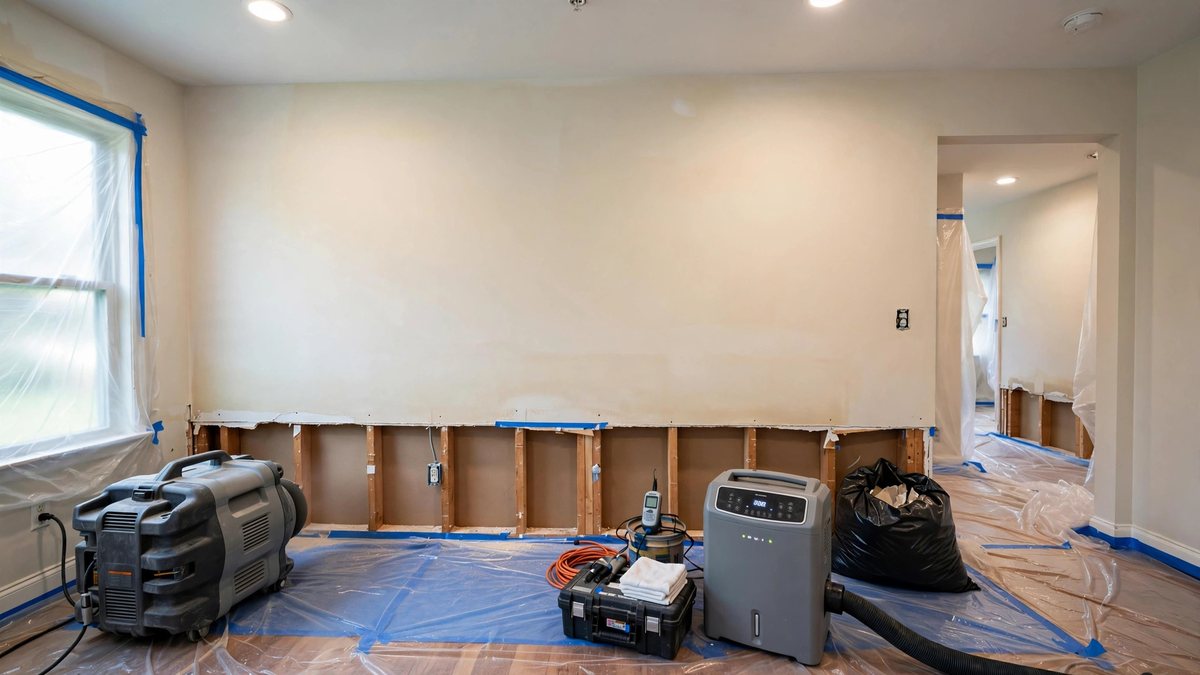
Water damage restoration work in a Lebanon TN home

Signs and Causes of Water Damage

Water damage in Lebanon most often starts with plumbing failures, appliance leaks, roof openings, and storm-driven rain. Leaking pipes, worn washing machine hoses, overflowing fixtures, and foundation seepage after sustained rain are frequent starting points. Intense spring storms and humid Middle Tennessee summers help moisture linger in wall cavities and under flooring.

Hidden leaks deserve attention. A slow drip under a sink can saturate subflooring for weeks before a stain appears. Moisture meters help map the full affected area so restoration addresses the whole problem, not only the spot that first caught your eye.

How the Work Proceeds

  1. Inspection and Moisture Mapping

    We identify the water source, confirm it has stopped, and inspect all affected rooms. Moisture readings in flooring, walls, and nearby cavities define the work area and shape decisions about extraction, material removal, and equipment placement.

  2. Water Extraction and Removal

    Standing water is removed with equipment suited to the surface, whether carpet, hard flooring, or a basement slab. Removing bulk water first makes drying more effective and reduces moisture migrating into clean areas. Furniture in the work zone is moved or protected.

  3. Selective Removal of Damaged Materials

    Materials that cannot be dried safely, such as saturated drywall sections, insulation, or damaged flooring, are removed in a controlled way. This opens cavities so air can reach damp framing and subflooring. Sound materials are left in place whenever drying in position is appropriate.

  4. Drying and Dehumidification

    Air movers and dehumidifiers are placed according to the moisture map and adjusted as conditions change. Drying is monitored with repeat readings rather than guesswork, and equipment runs until materials return to acceptable moisture levels.

  5. Cleaning and Restoration Preparation

    Affected surfaces are cleaned and treated as appropriate for the water category involved, and the space is prepared for needed repairs. We walk through the drying results with you and leave the area tidy and ready for the next stage.

Common Scenarios We Encounter

The examples below are illustrative situations based on the kinds of calls Lebanon homeowners describe. They are not accounts of specific customers, and details are kept general to show how different water sources lead to different restoration plans across Wilson County.

Water Heater Failure in a Utility Closet

A water heater in a single-story Lebanon home leaks unnoticed overnight. Water spreads into a hallway and laundry room, soaking vinyl flooring and lower drywall. Restoration involves extraction, removal of a narrow strip of wall material to dry the cavity, and monitored dehumidification before the area is ready for the replacement unit and floor repairs.

Kitchen Supply Line Leak

A supply line under a kitchen sink loosens and sprays water inside a cabinet base. By the time the shutoff is closed, water has run under flooring into the dining area. The response focuses on cabinet drying, lifting a section of flooring to reach wet subfloor, and targeted air movement to limit removal to the kitchen zone.

Rain Intrusion at a Rear Entry

During heavy rain, water enters under a rear door where grading directs runoff toward the house. A family room carpet and pad become saturated, and moisture wicks into baseboards. Work includes extracting carpet water, removing wet padding, drying the slab and wall base, and noting the exterior drainage detail that allowed the intrusion to happen in the first place.

Frequently Asked Questions

How quickly should water damage be addressed?

As soon as you can do so safely. Water keeps spreading into flooring, wall cavities, and insulation while it sits, and mold can begin growing within 24 to 48 hours of exposure in warm, damp conditions. Stopping the source and starting extraction and drying promptly usually reduces how much material must be removed.

What are your service hours for Lebanon?

Our posted hours are Mon–Fri 7am–10pm EST, Sat 8am–10pm EST, and Sun 7am–9pm EST. Use the request form to describe what happened and where in Lebanon the property is located, including your ZIP code. That information helps us understand the scope of the damage and respond with appropriate next steps during service hours.

Will all wet materials need to be removed?

Not always. Many hard surfaces, framing members, and some flooring can be dried in place when moisture is caught early and the water involved was clean. Saturated insulation, swollen particleboard, and carpet padding holding contaminated water are more likely to be removed. Decisions rest on moisture readings, material type, and how long the material stayed wet.

Which areas around Lebanon do you serve?

We serve Lebanon, TN addresses in ZIP codes 37087, 37088, and 37090, covering the city and nearby Wilson County neighborhoods. If you are unsure whether your address falls within the service area, include your ZIP code and a brief description of the damage when you send a request and we will confirm.

Related Services

If standing water is still present, our water extraction and removal service addresses that first step. For the drying phase, see structural drying and dehumidification, and if moisture has led to growth, mold remediation may be needed. Review coverage for Lebanon, TN to confirm details for your neighborhood.

Water Damage at Your Lebanon Property?

Tell us what happened and where the water went. We will review your request and outline the next steps for inspection, extraction, and drying.

Request Service
Request Service