
Mon–Fri 7am–10pm EST  ·  Sat 8am–10pm EST  ·  Sun 7am–9pm ESTRequest Service
Lebanon Water Damage Pros logoLebanon Water Damage ProsRequest a Quote

Mold Remediation in Lebanon, TN

Mold is a moisture problem before it is anything else. In Lebanon, where Wilson County summers are warm and humid and many homes have crawl spaces and basements that stay damp, mold growth commonly follows water events that were not fully dried. A leak under a sink, a flooded basement corner, or condensation in a poorly vented bathroom can each create the conditions mold needs. Lebanon Water Damage Pros provides mold remediation for Lebanon homes in 37087, 37088, and 37090.

It is a general and well-established fact that mold can begin growing within 24 to 48 hours of water exposure on damp materials. That short window is why drying speed matters after any leak or flood, and why remediation focuses as much on moisture control as on visible colonies. Our process is practical: identify where growth is present, contain the work area, remove material that cannot be cleaned reliably, clean surfaces that remain, and verify that moisture levels will not support regrowth.

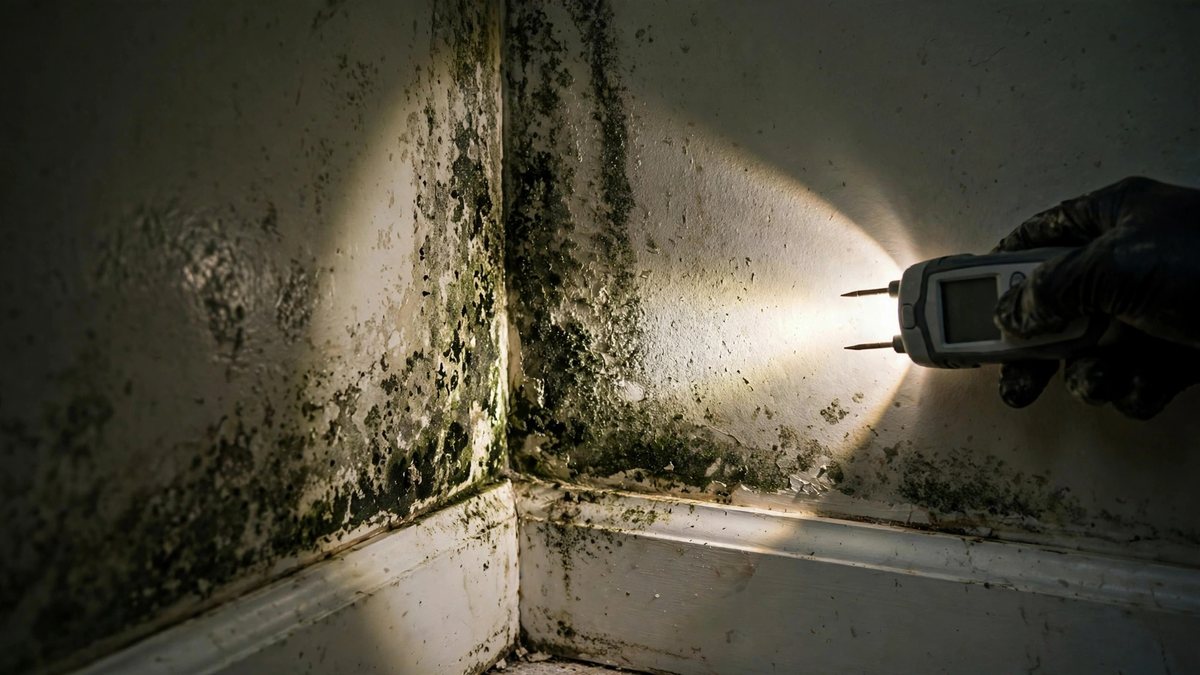
Mold remediation work with containment in a Lebanon TN home

Signs of Mold Growth and Common Causes

Mold needs moisture, a food source such as drywall paper, wood, or dust, and time. In Lebanon homes the moisture usually traces back to plumbing leaks, roof leaks, flood events that dried slowly, crawl space humidity, or bathroom and laundry ventilation problems. Growth often starts out of sight, inside wall cavities, under flooring, or behind cabinets.

Surface wiping alone rarely solves an established problem, because growth inside cavities and within porous materials remains untouched. Remediation addresses the material and the moisture source together.

How the Work Proceeds

  1. Inspection and Moisture Assessment

    We inspect areas where growth is visible and the likely moisture sources behind it, using readings in walls, floors, and adjoining cavities to define scope. The assessment distinguishes surface growth that can be cleaned from material colonized through its depth that should be removed.

  2. Containment and Air Control

    The work zone is isolated with physical barriers, and air filtration equipment captures particles released during removal. Containment protects the rest of the home, including HVAC pathways that could otherwise distribute spores. Access is limited to the crew while remediation is underway.

  3. Removal of Affected Materials

    Porous materials with established growth, such as sections of drywall, insulation, carpet, and damaged wood products, are removed in a controlled manner and bagged within the containment. Removing colonized material is often the most reliable way to eliminate the growth reservoir that surface cleaning cannot reach.

  4. Cleaning and Treatment of Remaining Surfaces

    Framing, concrete, tile, and other surfaces that remain are cleaned to remove growth residue and treated with appropriate antimicrobial products. Detailed cleaning follows bulk removal, including wiping and filtration of the contained space, preparing the area for drying verification and later rebuilding.

  5. Drying Verification and Prevention Review

    Moisture readings confirm that remaining materials are dry, and the original moisture source, whether a leak, drainage issue, or ventilation gap, is reviewed with you so it can be corrected. Without that correction, growth can return even after thorough remediation.

Common Scenarios We Encounter

The situations below are illustrative examples of mold conditions found in Lebanon and Wilson County homes. They are general descriptions without identifying details, included to show how everyday moisture problems in bathrooms, crawl spaces, and basements develop into growth that calls for remediation.

Bathroom Growth Behind a Leaking Shower

A slow leak at a shower valve wets a bathroom wall cavity over a period of months. Paint bubbles and a musty odor develops near the tub. Remediation opens the wall inside containment, removes damp drywall and insulation with established growth, cleans the framing, and dries the cavity before new wall material is installed over the cleaned and verified dry framing.

Crawl Space Mold on Floor Framing

Humid air and occasional standing water in a vented crawl space leave floor joists and subflooring damp through the summer. Growth appears on framing and stored items below the home. The project combines removing affected insulation and cleaning framing, paired with a practical discussion of ground covering and drainage changes that can reduce moisture there.

Basement Growth After a Past Flood

A basement that flooded during heavy rain was dried with household fans but never verified with moisture readings. Weeks later, odor and visible growth appear along the base of finished walls. Remediation removes lower drywall and wet insulation, cleans studs and slab, and completes monitored drying so the rebuilt wall starts from verified dry conditions rather than damp materials sealed behind new drywall.

Frequently Asked Questions

How soon can mold start after water damage?

Mold can begin growing within 24 to 48 hours of water exposure when materials stay damp, which is common in warm and humid conditions. That is why prompt extraction and verified drying after a leak or flood are the strongest prevention steps. Once growth is established, remediation removes colonized material and corrects the moisture source that supported it.

What are your hours for mold services in Lebanon?

Our posted hours are Mon–Fri 7am–10pm EST, Sat 8am–10pm EST, and Sun 7am–9pm EST. Send a request describing where you see growth or notice odor, any history of leaks or flooding in that area, and your Lebanon ZIP code. That background helps us scope the inspection and respond during service hours.

Can moldy drywall simply be painted over?

Painting over growth does not remove it. Mold within drywall feeds on the paper facing and can continue developing behind a new paint film, and the moisture that caused it usually remains. Established growth is handled by removing affected sections under containment, cleaning the framing behind them, and drying the cavity before new material is installed.

Will mold come back after remediation?

Remediation removes existing growth and contaminated material, but regrowth is possible if the moisture source returns. A repaired leak, improved bathroom ventilation, crawl space moisture control, and prompt drying after future water events all reduce that risk. During the final review we identify the source that fed the growth and the correction it needs.

Related Services

Mold work is closely tied to moisture control. The drying service that prevents and follows remediation is structural drying and dehumidification, the broader recovery process is covered by water damage restoration, and growth following a backup is addressed alongside sewage cleanup. For details in your neighborhood, visit the Lebanon, TN page.

Mold Growth at Your Lebanon Home?

Tell us where you see growth or notice odor and what water events the area has had. We will review your request and outline an inspection and remediation plan.

Request Service
Request Service