
Mon–Fri 7am–10pm EST  ·  Sat 8am–10pm EST  ·  Sun 7am–9pm ESTRequest Service
Lebanon Water Damage Pros logoLebanon Water Damage ProsRequest a Quote

Sewage Cleanup in Lebanon, TN

A sewage backup is one of the most disruptive water events a Lebanon homeowner can face, and it requires a different standard of care than a clean water leak. Sewage is classified as category 3 water, the most contaminated category, because it can carry bacteria, viruses, and other microorganisms from the drainage system. When a sewer line blocks, a septic system backs up, or a toilet overflow carries waste into living areas, affected rooms need controlled removal, thorough cleaning, and careful drying. Lebanon Water Damage Pros provides sewage cleanup across Lebanon and Wilson County in ZIP codes 37087, 37088, and 37090.

Our approach is professional and methodical, focused on health and safety without exaggeration. Crews use personal protective equipment, contain the affected area to prevent cross-contamination, and follow established handling practices for contaminated materials. Porous items that absorbed sewage are generally removed rather than cleaned, because they cannot be reliably returned to a sanitary condition. Hard surfaces, by contrast, can usually be cleaned and treated effectively.

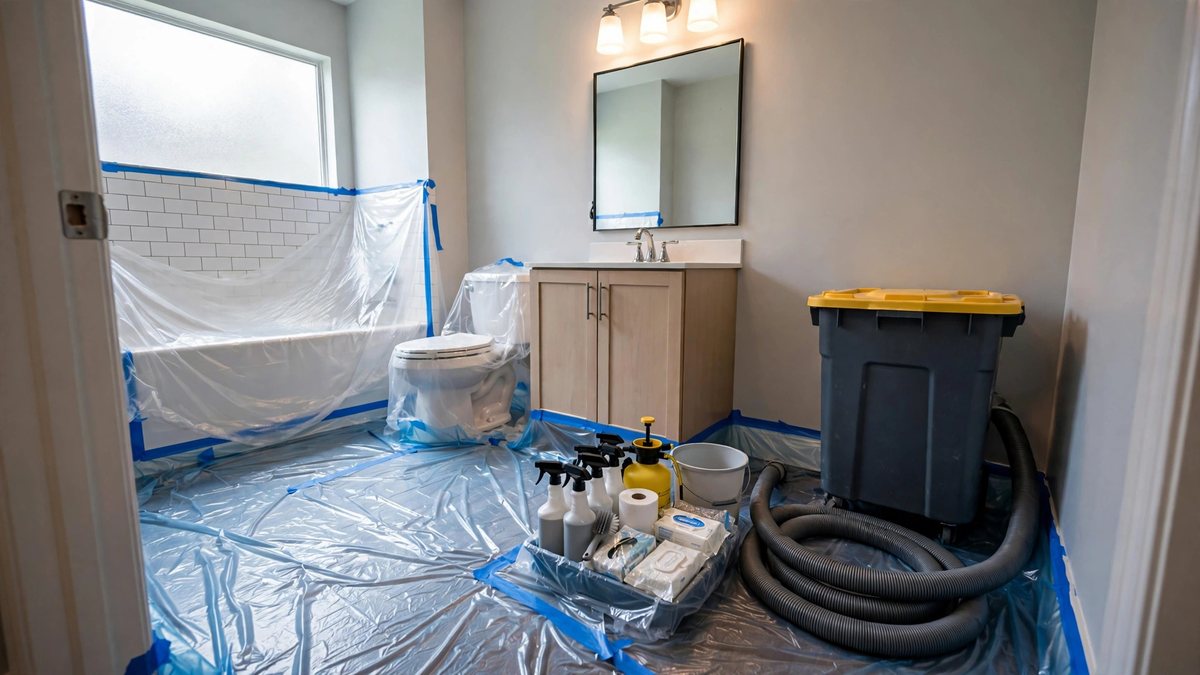
Professional sewage cleanup with protective equipment in Lebanon TN

Signs of a Sewage Problem and Common Causes

Backups in Lebanon homes have several common causes. Tree roots entering older sewer laterals, wipes and other non-flushable items building up in lines, grease accumulation, heavy rain overwhelming municipal or septic capacity, and failing septic components can all force wastewater back through the lowest fixtures: tubs, showers, floor drains, and ground-floor toilets. Septic systems face added risk when tanks or drain fields are overdue for service or saturated by prolonged rain.

If a backup is active, stop using water and fixtures in the home, because every flush adds volume to the problem. Keep people and pets out of affected rooms until conditions have been assessed.

How the Work Proceeds

  1. Assessment and Containment

    We identify the extent of the backup, the fixtures and rooms involved, and the materials affected. The work area is contained to keep contaminants from spreading to clean parts of the home, access is limited during cleanup, and protective equipment is used throughout.

  2. Removal of Sewage and Contaminated Water

    Standing wastewater and solid material are removed using dedicated extraction equipment and sealed handling methods. Contaminated water is not discharged into household drains that are part of the problem. Removing source material first allows underlying surfaces to be evaluated properly.

  3. Removal of Unsalvageable Materials

    Porous materials that contacted sewage, including carpet, padding, affected drywall and insulation, and saturated upholstered items, are removed and bagged through the contained route. Materials that cannot be cleaned to a sanitary standard are not left in place to dry. Removal decisions are reviewed with you as they are made.

  4. Cleaning and Treatment of Remaining Surfaces

    Hard surfaces that remain, such as tile, sealed concrete, and framing, are cleaned in stages to remove residue and treated with appropriate antimicrobial products for sewage conditions. Fixtures in the affected area are cleaned as well, and ventilation and air filtration help manage odor during this stage.

  5. Drying and Clearance Review

    Dehumidifiers and air movers dry the structure after cleaning, with moisture readings confirming progress. When drying is complete, we walk the area with you, review what was removed and what remains to be repaired, and confirm the space is ready for rebuilding steps.

Common Scenarios We Encounter

The examples below are illustrative descriptions of sewage situations Lebanon homeowners commonly describe. They contain no identifying details and are included to show how the source of a backup shapes the cleanup plan and which materials are typically affected in Wilson County homes.

Basement Backup Through a Floor Drain

A blocked sewer lateral causes wastewater to rise through a basement floor drain during heavy household water use. Carpet and lower drywall in the finished portion are contaminated. Cleanup focuses on containment, removal of carpet and affected wall material, staged cleaning of the slab, and drying before any rebuilding of the finished basement space is considered by the homeowner.

Ground-Floor Bathroom Overflow

A toilet overflow involving waste spreads across a bathroom and into an adjoining hallway with wood flooring. Tile in the bathroom can be cleaned and treated, while hallway flooring and baseboards that absorbed contaminated water require evaluation and partial removal. Work proceeds room by room to keep clean areas of the home separated from the contaminated work zone at all times.

Septic Backup After Prolonged Rain

Days of rain saturate a septic drain field outside central Lebanon, and wastewater backs up into the lowest tub and a laundry sink. Once a septic provider addresses the system, cleanup removes contaminated water, addresses affected flooring and wall bases, and dries the rooms involved in a coordinated sequence that keeps the rest of the home usable.

Frequently Asked Questions

Why is sewage treated differently from other water damage?

Sewage is category 3 water, meaning it is considered grossly contaminated and may contain disease-causing organisms. That classification changes how materials are handled: porous items that absorbed sewage are removed instead of dried, workers use protective equipment, and cleaning includes antimicrobial treatment. These measures protect occupants and prevent contaminants from being sealed into the home during repairs.

What hours are sewage cleanup services offered in Lebanon?

Our posted hours are Mon–Fri 7am–10pm EST, Sat 8am–10pm EST, and Sun 7am–9pm EST. Send a request describing which fixtures backed up, which rooms are affected, and your Lebanon ZIP code. Avoid using water in the home until the backup is understood, and keep affected rooms closed off while you wait for a response.

Can carpet and furniture be saved after a sewage backup?

Carpet and padding that contacted sewage are removed in nearly all cases because they cannot be cleaned to a reliable sanitary standard. Upholstered furniture is evaluated the same way. Hard furniture, tile, and other non-porous items can often be cleaned and treated successfully. We explain the reasoning for each item so there are no surprises.

Do you fix the sewer line or septic problem?

Our work covers building cleanup: removal, cleaning, treatment, and drying of affected areas. The line blockage, root intrusion, or septic fault itself is handled by a plumber or septic provider. Cleanup is sequenced around that repair, because cleaning before the line is corrected risks a repeat backup. We coordinate timing so both parts proceed in the right order.

Related Services

Sewage projects overlap with broader recovery work. For the full building recovery sequence, see water damage restoration. When moisture from a backup leads to growth, mold remediation addresses it, and below-floor contamination is covered under crawl space water damage services. Local details are on the Lebanon, TN page.

Sewage Backup at Your Lebanon Property?

Describe which fixtures are involved and which rooms are affected, and keep those rooms closed off. We will review your request and explain the safe cleanup process.

Request Service
Request Service