
Mon–Fri 7am–10pm EST  ·  Sat 8am–10pm EST  ·  Sun 7am–9pm ESTRequest Service
Lebanon Water Damage Pros logoLebanon Water Damage ProsRequest a Quote

Crawl Space Water Damage in Lebanon, TN

Many Lebanon homes sit over a crawl space, and that hidden area quietly influences the comfort and condition of everything above it. Standing water, persistent humidity, and damaged vapor barriers under a home can affect floor joists, subflooring, insulation, and even the air inside living areas. Lebanon Water Damage Pros helps Wilson County homeowners address crawl space water problems with inspection, water removal, cleaning, and drying, plus guidance on the barrier and drainage conditions behind the problem.

We work from 1420 W Main St, Lebanon, TN 37087 across ZIP codes 37087, 37088, and 37090, where crawl spaces are common in older and newer homes alike. Middle Tennessee rainfall, clay-heavy soil, and grading that directs water toward foundations all contribute to wet crawl spaces. Because homeowners rarely look under the house, problems are often discovered late, during a plumbing repair or home inspection.

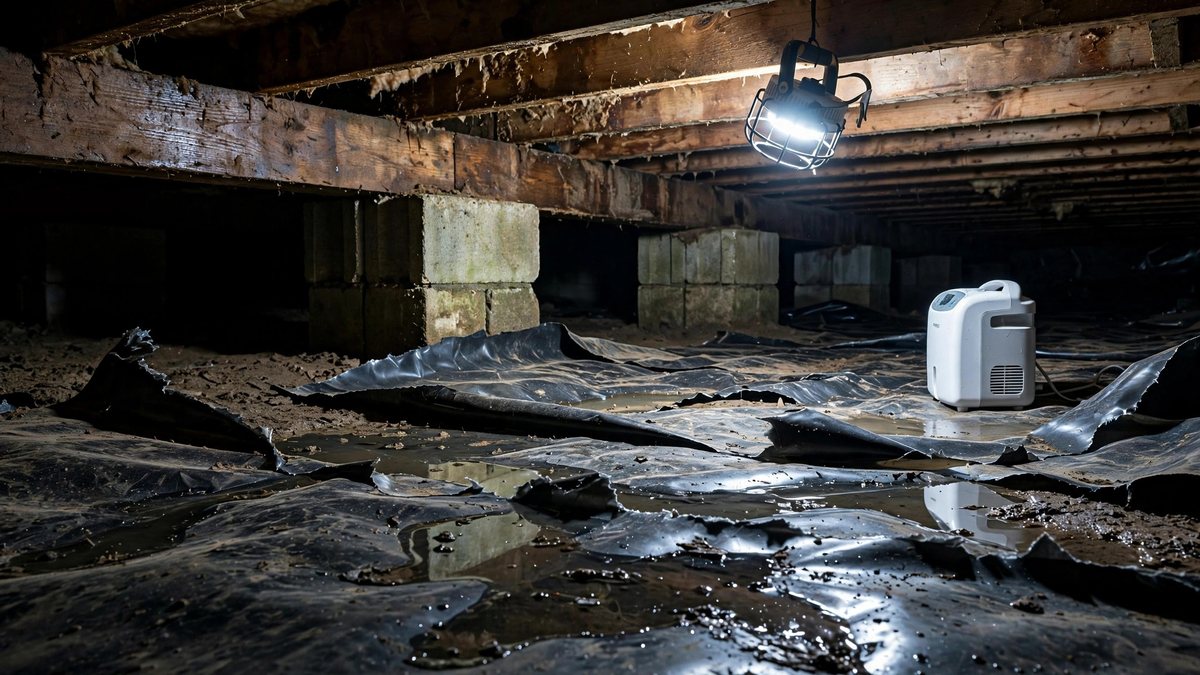
Crawl space water damage inspection under a Lebanon TN home

Causes and Signs of Crawl Space Water Problems

Water reaches a crawl space through several routes. Rain can run toward the foundation when grading slopes the wrong way or gutters discharge too close to the house. Plumbing leaks from above drip steadily onto the soil or barrier below. Groundwater can rise into low spots after extended wet weather, and in homes without an intact vapor barrier, moisture evaporating from bare soil keeps humidity high under the floor system for much of the year.

Signs that your crawl space needs attention include:

Left alone, crawl space moisture works on the floor system long before symptoms become obvious upstairs. Joists and subflooring that stay damp lose strength gradually, and high humidity supports growth on wood surfaces. A direct inspection under the home is the only reliable way to judge the condition.

How the Work Proceeds

  1. Crawl Space Inspection

    We enter and inspect the crawl space, mapping where water is standing, where moisture readings are elevated, and how the vapor barrier, plumbing, and floor system look overall. Photographs and notes from the inspection help you understand conditions you may never see directly.

  2. Standing Water Removal

    Pooled water is pumped and removed from low areas, and any active plumbing leak source is identified so it can be repaired. Removing the bulk water first lets soil, barrier, and wood begin drying and makes cleanup more effective.

  3. Cleaning and Debris Removal

    Debris, fallen insulation, and water-damaged materials under the home are removed as needed, and affected wood surfaces are cleaned. Clearing the space improves access and visibility, helping confirm that no wet pockets remain hidden behind ductwork.

  4. Drying and Humidity Control

    Drying focuses on joists, beams, and subflooring, using airflow and dehumidification suited to the confined space. Moisture content in the wood is checked as drying proceeds, because floor systems dry slowly and surface dryness can be misleading when the core of a joist is still wet.

  5. Barrier and Prevention Review

    We review the condition of the vapor barrier and discuss practical prevention steps, such as repairing barrier coverage, correcting gutter discharge, and addressing grading. You receive a summary of what was found, what was done, and what to monitor going forward.

Common Scenarios We Encounter

The situations below are illustrative examples of crawl space water problems in Wilson County homes, in general terms only. They are not accounts of specific customers, and conditions under your home depend on its drainage, plumbing, and barrier.

Standing Water After Extended Rain

After a wet stretch, several inches of water stand in the low end of a crawl space, soaking the bottom of the insulation and keeping the soil saturated. The water is pumped out, damaged insulation sections are addressed, and the joists are dried and checked. The review identifies a downspout discharging beside the foundation as a likely contributor worth correcting.

Slow Plumbing Leak Overhead

A drain line under a bathroom drips steadily for months, wetting the subfloor and one run of joists while the rooms above show only a faint musty smell. Once a plumber repairs the line, cleanup removes affected material, the wood is cleaned and dried, and moisture readings confirm the floor system has returned to a normal range before work wraps up.

High Humidity With No Barrier

A home with bare soil and no vapor barrier shows cupping floors and persistent odor, though no standing water is ever found. Inspection confirms chronically high humidity under the house, with moisture elevated in the subfloor. Drying lowers the current moisture load, and installing proper barrier coverage over the soil is recommended as the lasting step to keep ground moisture down.

Frequently Asked Questions

How do I know if my crawl space has water damage?

Common clues include musty odors, cupping floors, and soft spots when walking. The surest answer comes from looking under the house: standing water, a damaged vapor barrier, wet insulation, and staining on joists all point to a problem. Our inspection documents these conditions with readings and photographs.

Why does a vapor barrier matter so much?

Bare soil releases moisture into crawl space air continuously, and that humidity reaches the floor system above. A vapor barrier that covers the soil fully limits that moisture at its source. Torn or displaced barrier coverage is one of the most common findings in homes with chronic crawl space humidity.

Can wet floor joists dry without being replaced?

Often, yes, if the wood has not decayed and the moisture source is corrected. Drying is verified with moisture readings in the wood itself rather than by touch. When sections show rot or structural weakening, we identify them clearly so a contractor can evaluate repair or replacement accurately.

What are your hours for crawl space service?

Our hours are Mon–Fri 7am–10pm EST, Sat 8am–10pm EST, and Sun 7am–9pm EST. When you send a request, mention any odors, floor changes, or recent plumbing problems you have noticed, and whether access to the crawl space is inside or outside the home, so we can plan the inspection visit.

Will drying alone solve a crawl space problem long term?

Drying restores current conditions, but lasting results depend on correcting the source: a repaired leak, barrier coverage over bare soil, gutters that discharge away from the house, and grading that sheds water outward. We cover each in the prevention review.

Related Services

Homes with basements instead of crawl spaces face parallel issues covered by our basement flooding cleanup service. When prolonged moisture has affected wood and other surfaces, mold remediation may be part of the plan, and sudden plumbing failures under a home can connect with burst pipe water damage work. See our Lebanon, TN service area page for full coverage details.

Concerned About What Is Under Your Home?

Request a crawl space inspection and moisture check, and we will document the conditions and outline the cleanup and drying steps.

Request a Quote
Request Service