
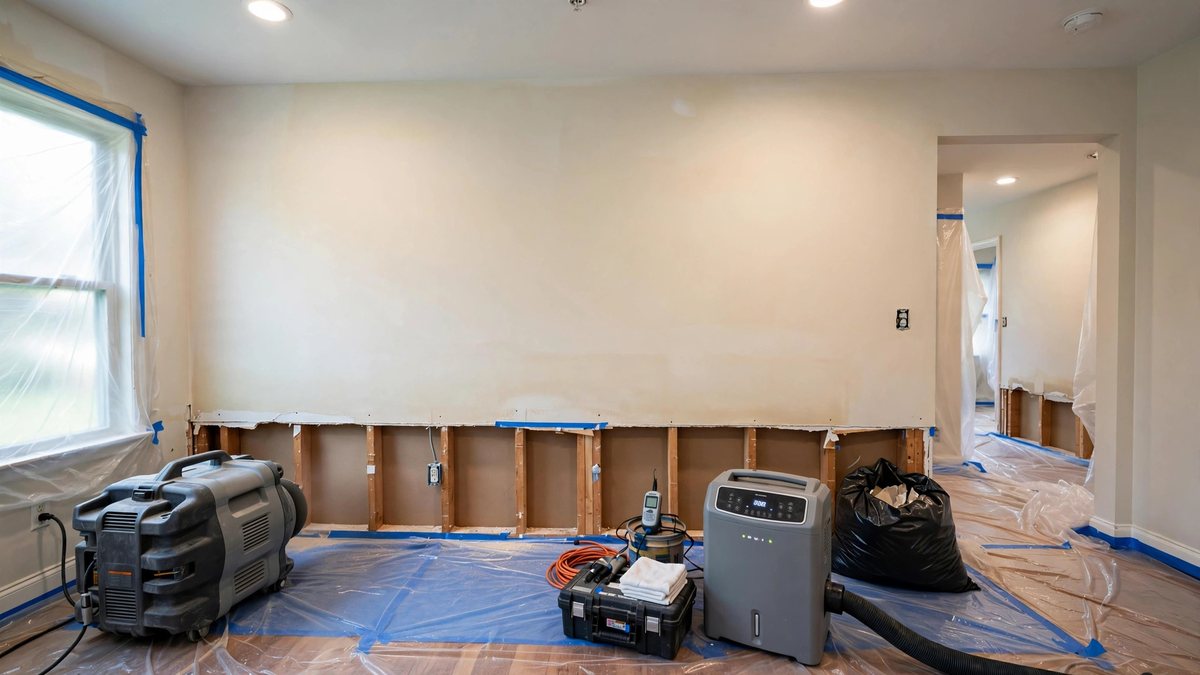
Water Damage Restoration
The complete process — assessment, extraction, drying, and restoration of water-damaged rooms and materials.
Learn more →From a burst pipe on West Main Street to a flooded basement out near Cedars of Lebanon, our Lebanon team extracts the water, dries the structure to a verified standard, and documents every step — so your home gets back to normal and your insurance file is complete.
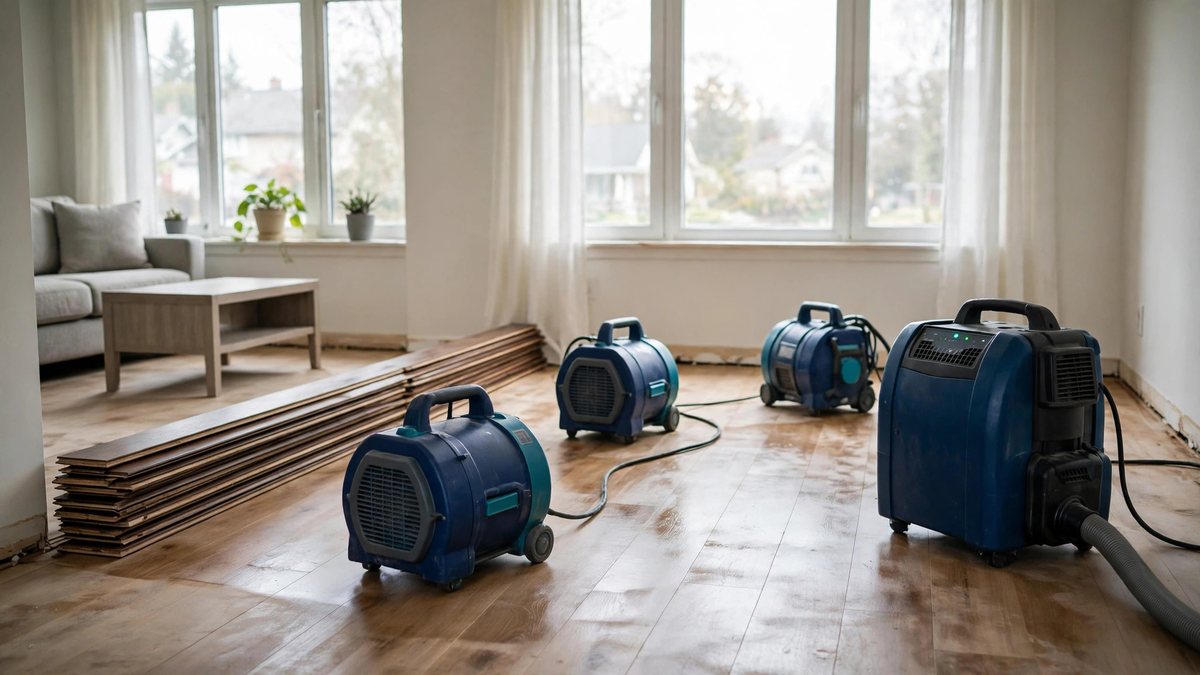
Water moves fast through a Tennessee home — into subfloors, wall cavities, and crawl spaces within hours. We handle the full restoration sequence under one roof, from the first extraction pass to the final moisture check, anywhere in Lebanon, Mt. Juliet, Watertown, and the surrounding communities.
The complete process — assessment, extraction, drying, and restoration of water-damaged rooms and materials.
Learn more →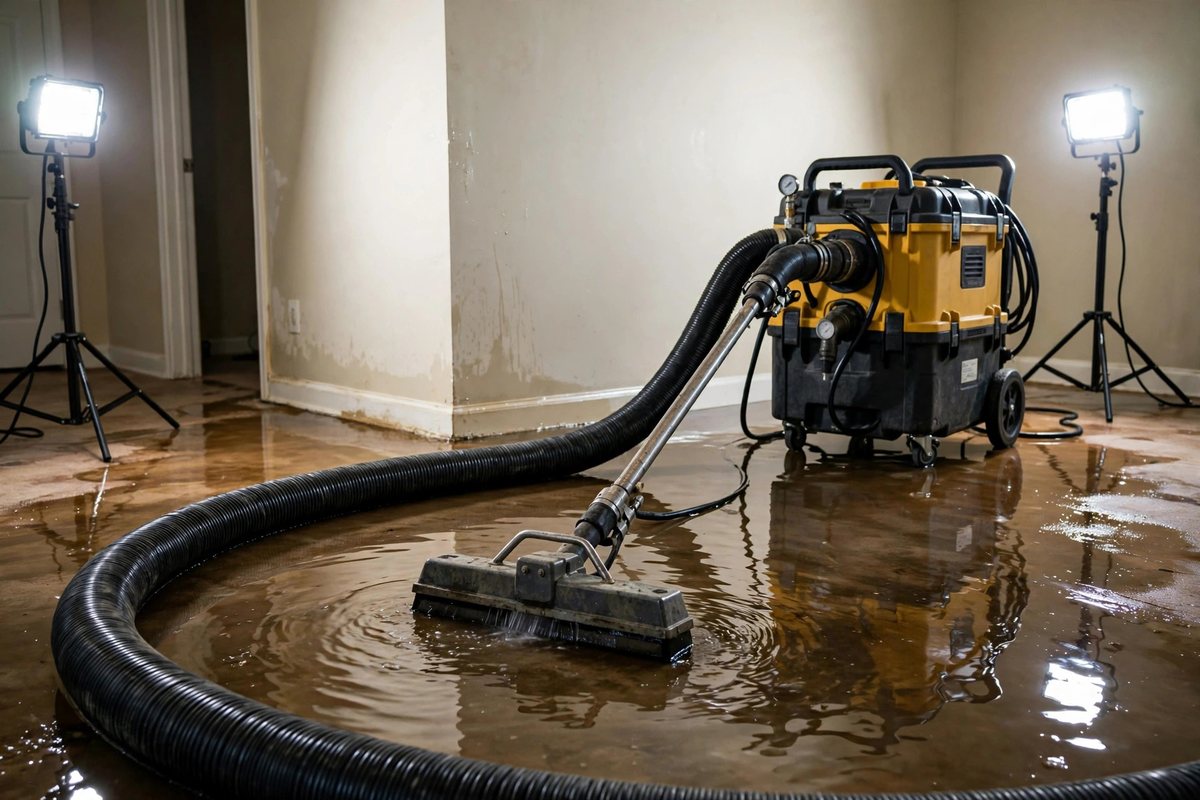
Standing water removed with industrial extraction equipment — the single most important first step.
Learn more →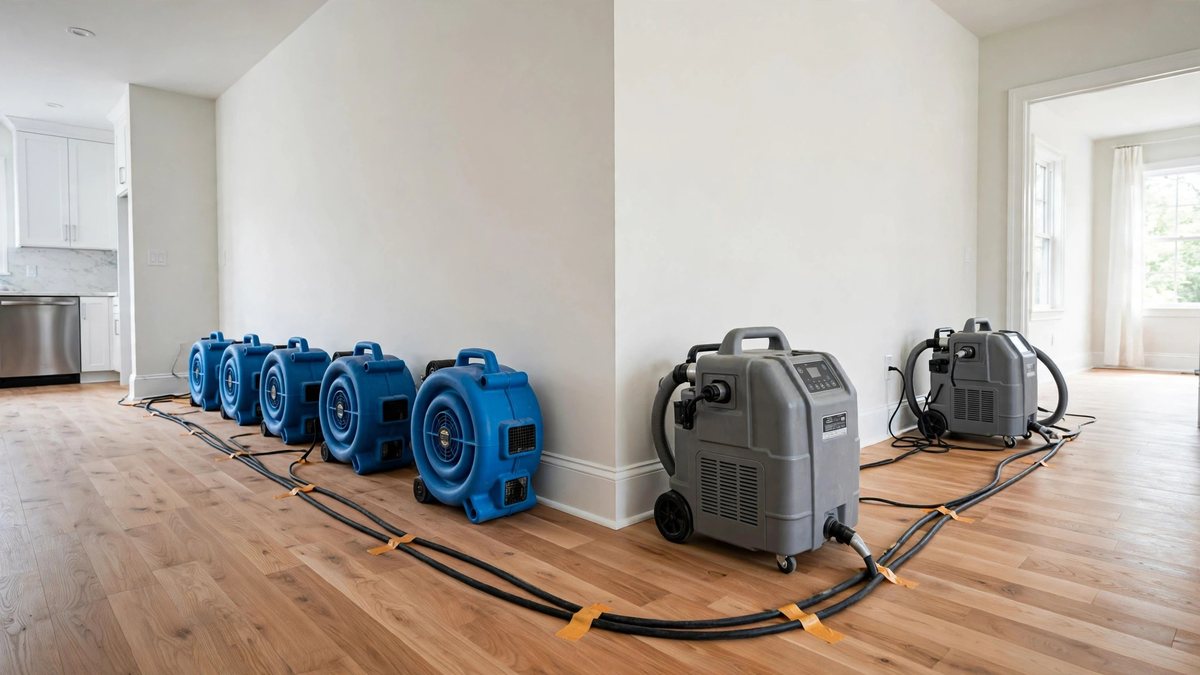
Air movers, dehumidifiers, and daily moisture readings that dry walls and floors to a verified dry standard.
Learn more →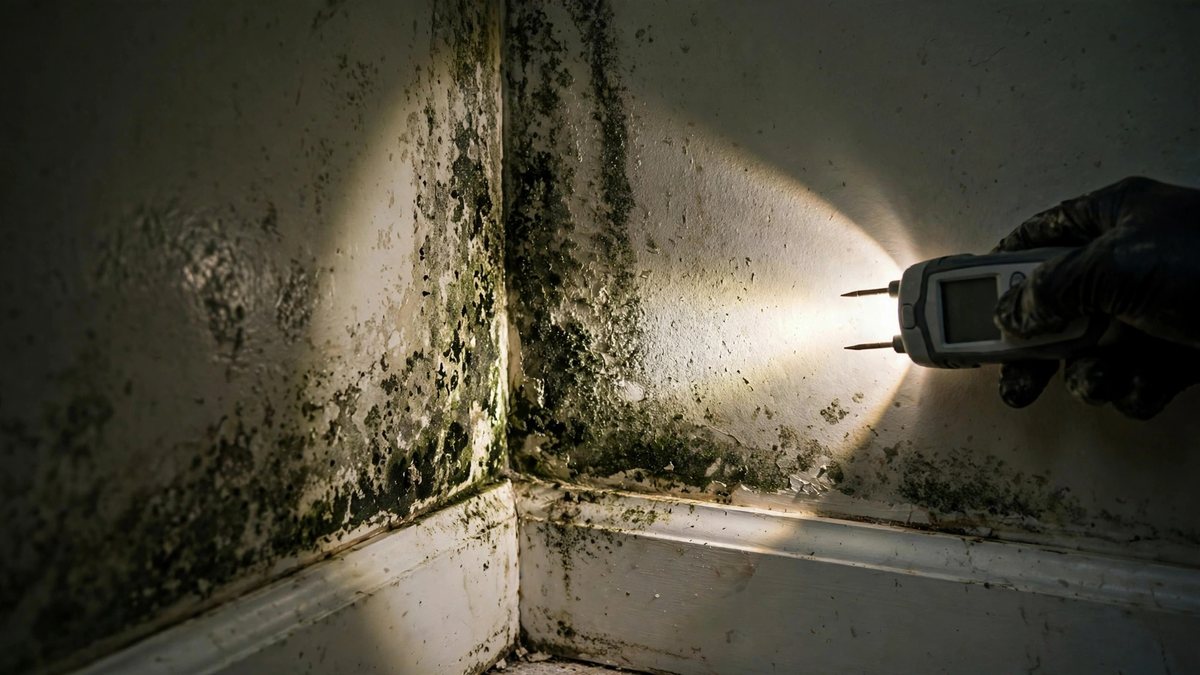
Contained, careful removal of mold growth that follows untreated water damage — plus the drying that stops it returning.
Learn more →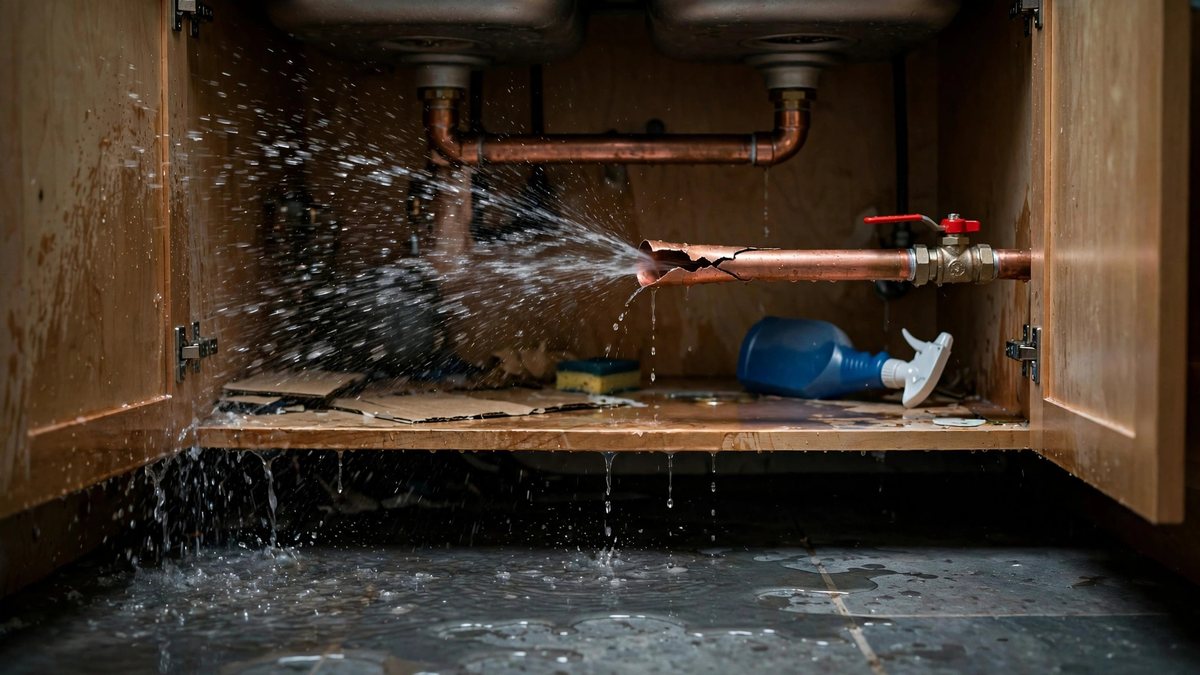
Frozen or failed pipes can release hundreds of gallons. We clean up and dry out after the plumber's repair.
Learn more →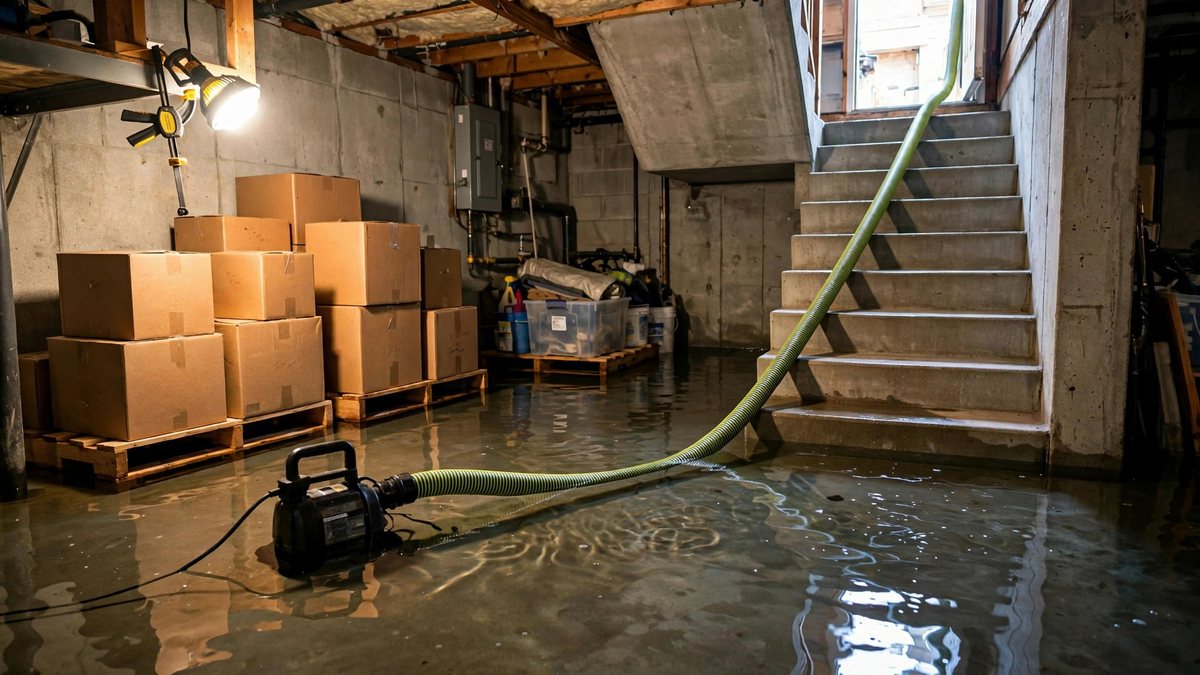
Pumping, extraction, and drying for flooded basements after Middle Tennessee downpours and sump failures.
Learn more →Need a different kind of help? See flood damage cleanup, sewage cleanup, storm damage restoration, crawl space drying and more on our full services page.
Every job follows the same documented sequence, whether it is a single room in Five Oaks or a whole house in Watertown:
We find the source, classify the water, and map moisture with meters and thermal imaging so nothing wet is missed.
Standing water comes out first with industrial extraction equipment — thousands of times faster than towels and a shop vac.
Air movers and dehumidifiers are placed by measurement, not guesswork, and adjusted as materials release moisture.
Daily readings are logged against a dry standard. Equipment stays until the numbers say the structure is dry — not a day longer.
Photos, readings, and drying logs are organized into a file you can hand straight to your insurance adjuster.

The situations below are typical examples of the water damage calls handled across Wilson County. They are illustrative — every property is assessed on its own conditions before any work begins.
When Middle Tennessee temperatures plunge into the teens, pipes in crawl spaces and exterior walls freeze and split. A typical call involves a flooded kitchen or laundry room, a shut-off main, extraction the same visit, and a three-to-four-day drying cycle with daily readings until the subfloor reaches its dry standard.
A water heater in a garage or utility closet seeps for weeks before anyone notices the warped flooring and musty smell. The usual scope: remove affected flooring, dry the wall cavity behind the unit, remediate early mold growth on the baseboard, and document everything for the homeowner's records.
Heavy rain overwhelms a sump pump or pushes creek water toward low-lying streets, and a finished basement takes on inches of water. Cleanup typically means staged pumping, content sorting, extraction, removal of wet carpet pad, and structured drying of walls and framing.

We are based in Lebanon and serve Wilson County plus the surrounding Sumner, Trousdale, Smith, DeKalb, and Rutherford County communities — most within about a half-hour's drive of the Public Square.
Lebanon locals: see the neighborhoods we serve — from Five Oaks and Leeman Springs to the historic districts around the Square.
If you can do it safely, stop the source: shut off the fixture valve or your home's main water shutoff, and keep clear of standing water near electrical outlets. Move valuables and furniture out of the wet area, take photos for your records, then request service. The faster extraction starts, the more flooring and drywall can usually be saved.
Extraction usually happens on the first visit. Structural drying typically runs three to five days depending on materials — hardwood, tile, and plaster all release moisture at different rates. We take moisture readings daily and remove equipment as soon as readings reach the dry standard, so your timeline is based on measurements, not estimates.
We document every job with photos, moisture readings, and drying logs organized for an insurance claim, and we can walk your adjuster through the scope. The claim itself is between you and your insurer, but our documentation is built to make that process straightforward.
Yes — mold can begin growing on damp drywall, carpet pad, and wood within 24 to 48 hours in warm conditions. That is why drying is measured in hours at the start: prompt extraction and structural drying are the most reliable way to prevent a mold problem from following a water problem.
Our service line operates Mon–Fri 7am–10pm EST, Sat 8am–10pm EST, and Sun 7am–9pm EST. Send a service request through our quote page at any time and we will respond during those hours. If water is actively spreading, shutting off your main water valve is the most important first step.
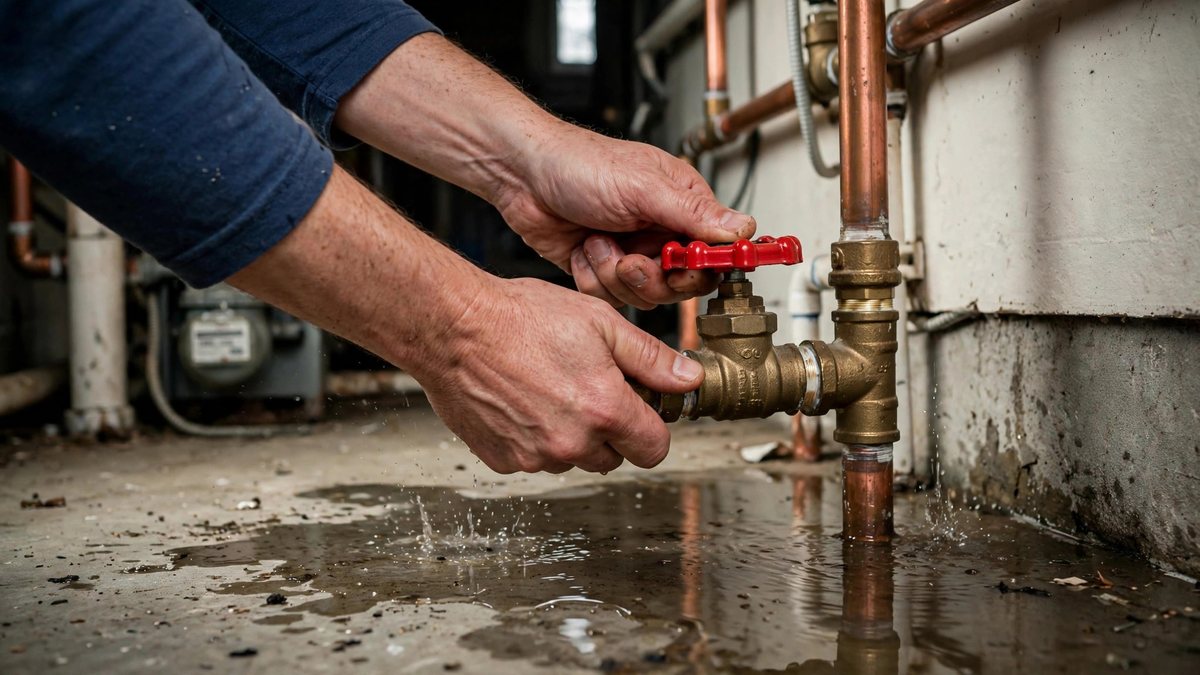
The first hour decides how much damage a burst pipe does. Here is the order of operations that protects your home.
Read the guide →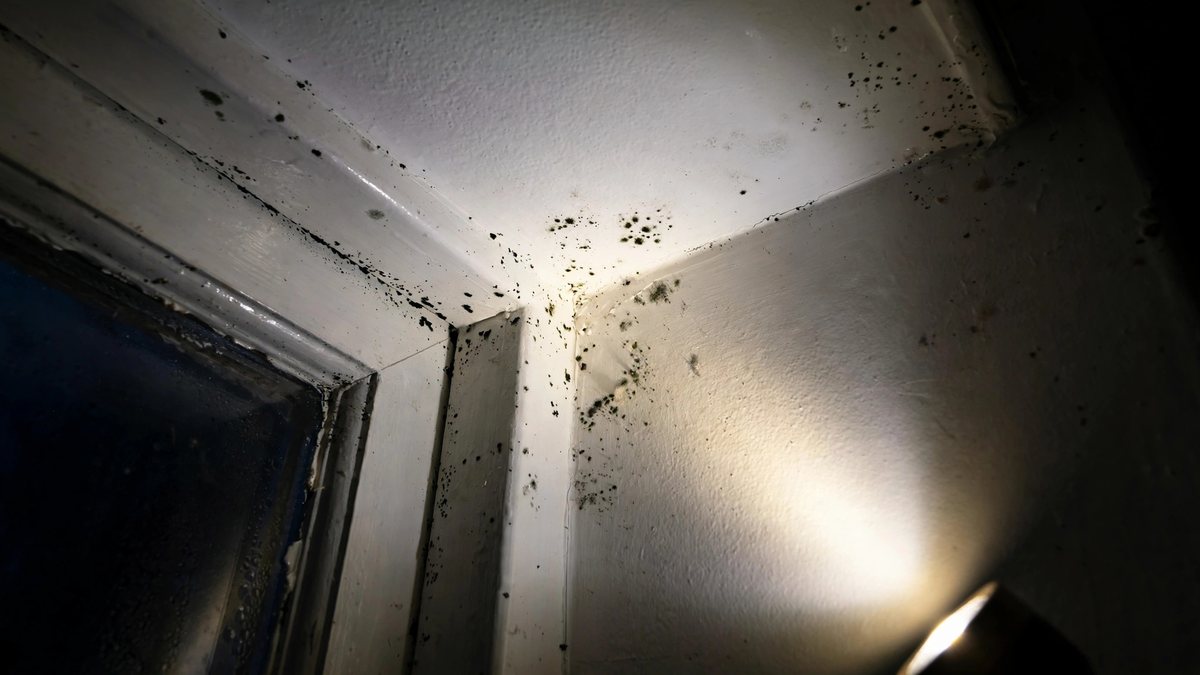
Musty odors, shadowy spots, and the places mold hides after a leak — and when it is time to bring in remediation.
Read the guide →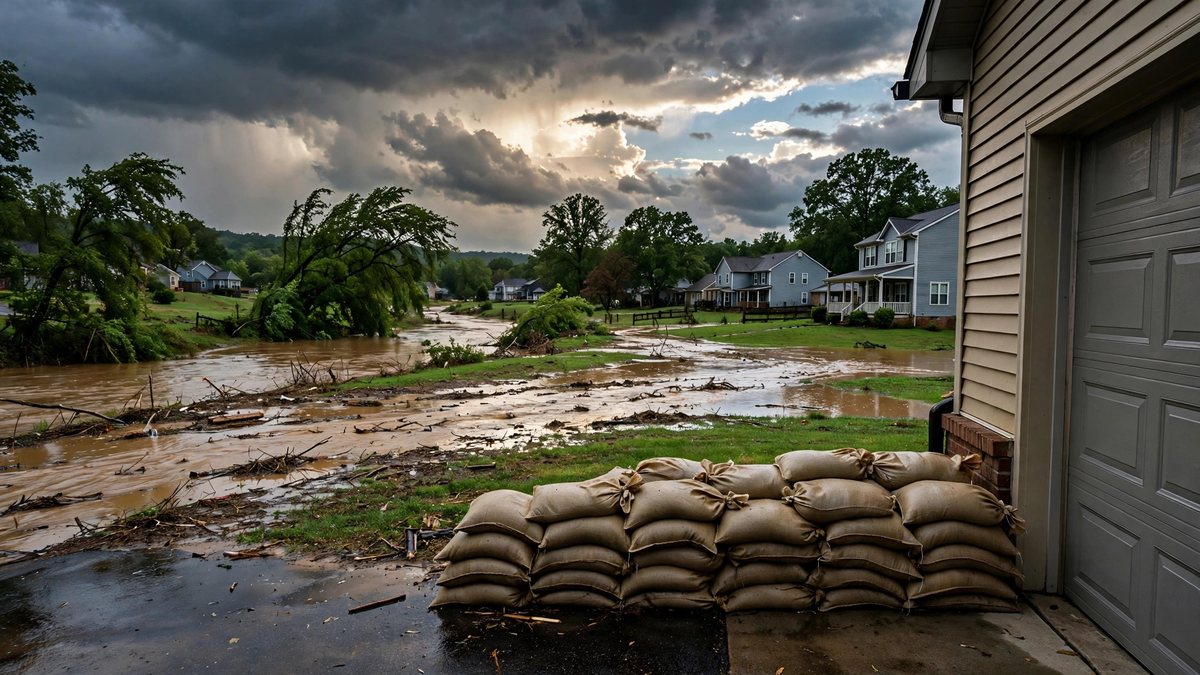
Before, during, and after Middle Tennessee storm flooding — preparation, safety, and cleanup steps that matter.
Read the guide →Send a service request and tell us what is happening — where the water is, when it started, and what you have done so far. Requests are reviewed during our service hours: Mon–Fri 7am–10pm EST, Sat 8am–10pm EST, Sun 7am–9pm EST.
Request Service