
Mon–Fri 7am–10pm EST  ·  Sat 8am–10pm EST  ·  Sun 7am–9pm ESTRequest Service
Lebanon Water Damage Pros logoLebanon Water Damage ProsRequest a Quote

Structural Drying and Dehumidification in Lebanon, TN

Removing standing water is only the first half of water damage work. The second half happens inside wall cavities, under flooring, and within cabinets and subfloors, where moisture lingers long after surfaces feel dry. Lebanon Water Damage Pros provides structured drying and dehumidification for Wilson County homes, using moisture mapping and daily monitoring to guide the process instead of guesswork. The goal is straightforward: bring building materials back to an appropriate dry standard and confirm it with readings before equipment is removed.

From 1420 W Main St, Lebanon, TN 37087, we serve properties in ZIP codes 37087, 37088, and 37090, from older homes near the Lebanon square to newer subdivisions. Local building styles vary, from slab foundations to crawl spaces and finished basements, and each holds moisture differently. A drying plan built around your materials and readings is far more reliable than running fans for a set number of days.

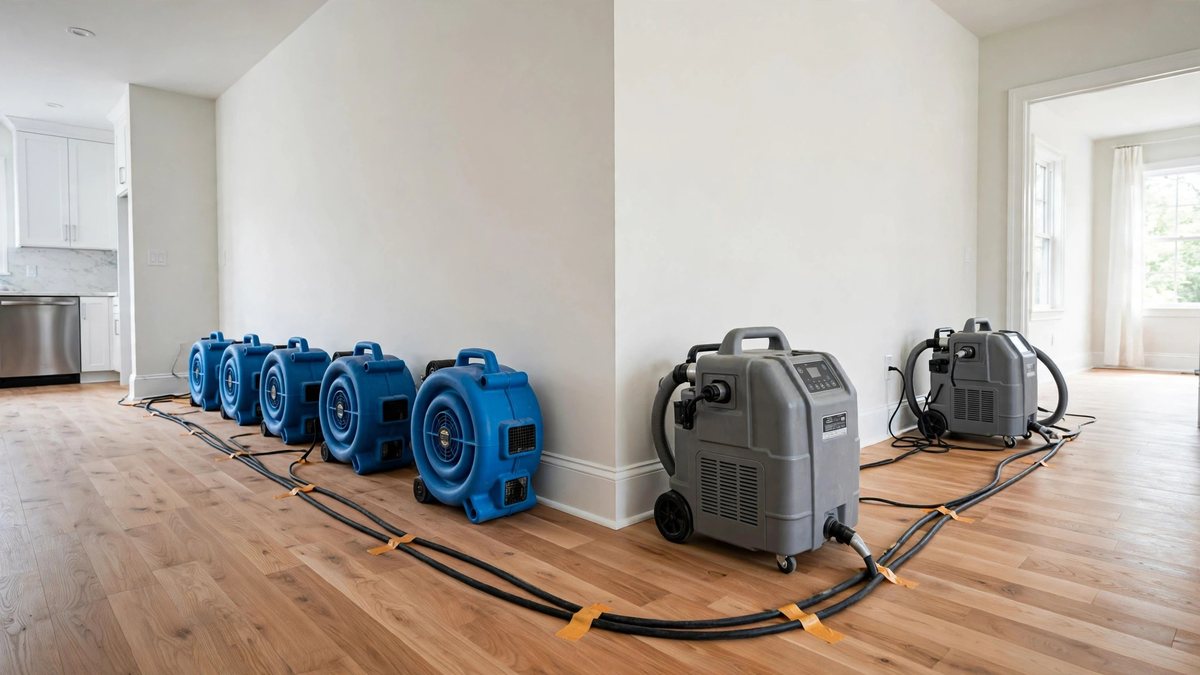
Structural drying and dehumidification equipment in a Lebanon TN home

Signs Your Structure Is Still Wet

Hidden moisture is easy to miss because the most visible surfaces dry first. Paint can look normal while the drywall behind it stays damp, and hardwood can feel dry on top while the subfloor underneath holds water. Middle Tennessee humidity slows natural drying further, especially in summer. Careful checking matters more than appearances after any leak, overflow, or flood event.

Common signs that drying is still needed include:

If several signs appear together, moisture is likely trapped in the structure rather than sitting on the surface. Moisture mapping identifies exactly where that water went, keeping drying focused and avoiding treatment of areas that were never affected.

How the Work Proceeds

  1. Moisture Mapping and Inspection

    We measure moisture in flooring, walls, baseboards, and nearby unaffected areas to establish both the wet zone and a dry baseline for comparison. These readings shape the whole plan, showing which materials are affected and how far water has traveled from the source.

  2. Drying Plan and Equipment Setup

    Based on the mapping, we place air movers to move air across wet surfaces and dehumidifiers to pull that moisture out of the air. Equipment type, quantity, and placement depend on room size, materials involved, and how much water the structure is still holding.

  3. Targeted Airflow for Hidden Spaces

    Wall cavities, toe-kick spaces under cabinets, and areas beneath flooring need directed airflow rather than general room circulation. We use targeted setups for these spaces and, where appropriate, remove baseboards or drill small access points so damp areas receive consistent drying.

  4. Daily Monitoring and Adjustment

    We return to take new moisture and humidity readings, compare them with the dry standard for each material, and adjust equipment as conditions change. This confirms whether drying is on track and prevents equipment from being pulled too early.

  5. Final Verification and Documentation

    When readings show materials have reached their dry-standard goals, we verify the results across all previously wet areas and document the outcome. We then remove equipment and walk through the results with you, noting any materials that need repair because of the original water event.

Common Scenarios We Encounter

The examples below are illustrative situations showing how structural drying is applied in Wilson County homes. They describe general conditions only, not specific customers, and the right plan depends on your materials and moisture readings.

Water Behind Kitchen Walls

A supply line leak soaks the wall behind kitchen cabinets, and the room looks dry once the floor is mopped. Moisture mapping shows the drywall and insulation are still wet well beyond the visible stain. Air movers and a dehumidifier are set with targeted airflow behind the cabinets, and daily readings track the wall as it returns to its dry standard over several visits.

Hardwood Floors Over a Wet Subfloor

After an overflow, hardwood boards begin to cup because the subfloor beneath them is holding water. Surface fans alone would not solve the problem, so the drying plan combines floor-level airflow with dehumidification to draw moisture upward gradually. Careful daily monitoring protects the flooring investment by confirming that the subfloor is truly dry before any equipment is removed from the room.

Finished Basement After Flooding

A finished basement takes on water during heavy rain, wetting carpet, drywall, and the framing behind it. Once standing water is removed, drying focuses on the lower wall sections and floor system. Dehumidifiers control the naturally higher humidity of a below-grade space, and readings at multiple heights show whether wall materials are drying evenly in all of the affected rooms.

Frequently Asked Questions

What is a dry standard, and why does it matter?

A dry standard is the normal moisture level of unaffected materials in your own home, measured in a similar area that stayed dry. Comparing wet materials to that baseline gives a clear, property-specific goal for drying. It prevents guesswork, because success is defined by your readings returning to the level of the surrounding dry structure.

How long does structural drying usually take?

Timing depends on how much water was absorbed, which materials are involved, and how accessible the wet areas are. Dense materials and enclosed cavities dry more slowly than open rooms. Daily monitoring gives an honest picture of progress, and we update you at each visit rather than promising a fixed finish date in advance.

Can I just use household fans instead?

Household fans move air but do not remove moisture from it, so in a humid room they can simply recirculate damp air. Restoration dehumidifiers extract that moisture while air movers drive evaporation from surfaces. Without moisture readings, it is also very difficult to know when hidden areas have actually finished drying.

Will walls need to be opened for drying?

Not always. Many walls dry with surface airflow and small access points behind baseboards. When insulation is saturated or moisture is sealed inside a cavity, limited opening may be the more effective option. We explain the readings behind any recommendation and discuss the approach with you before making changes to finished surfaces.

What are your hours?

Our hours are Mon–Fri 7am–10pm EST, Sat 8am–10pm EST, and Sun 7am–9pm EST. Monitoring visits are scheduled within those hours. When you request service, tell us when the water event happened and which rooms are affected, so we can plan the first mapping visit and equipment setup.

Related Services

Drying usually follows water extraction and removal, and it works alongside our full water damage restoration service when repairs and cleaning are also needed. If moisture has been present for a while, mold remediation may be part of the conversation as well. Learn more about coverage on our Lebanon, TN service area page.

Think Moisture Is Still Hiding in Your Home?

Request a moisture check and drying assessment for your Lebanon property, and we will map the affected areas and explain the plan.

Request a Quote
Request Service