
Mon–Fri 7am–10pm EST  ·  Sat 8am–10pm EST  ·  Sun 7am–9pm ESTRequest Service
Lebanon Water Damage Pros logoLebanon Water Damage ProsRequest a Quote

Burst Pipe Water Damage in Lebanon, TN

Middle Tennessee winters are usually mild, which is why a hard cold snap catches so many Lebanon homes off guard. When temperatures stay well below freezing, or an ice storm knocks out power and heat, water inside exposed pipes can freeze, expand, and split the pipe wall. The break often reveals itself during the thaw, when water flows through the split at full pressure into walls, ceilings, crawl spaces, and floors. Lebanon Water Damage Pros handles the water damage side of these events in ZIP codes 37087, 37088, and 37090.

Pipes are vulnerable in predictable places: exterior wall runs, unheated crawl spaces, garages, attics, and additions where insulation is thin. Older homes near downtown Lebanon may have plumbing routes never designed for prolonged freezing weather. Whether the burst comes from a freeze, corrosion, or a failed fitting, the pattern is similar: rapid release, hidden spread inside cavities, and saturation that continues until the supply is shut off. A plumber can address the pipe itself while we address the building.

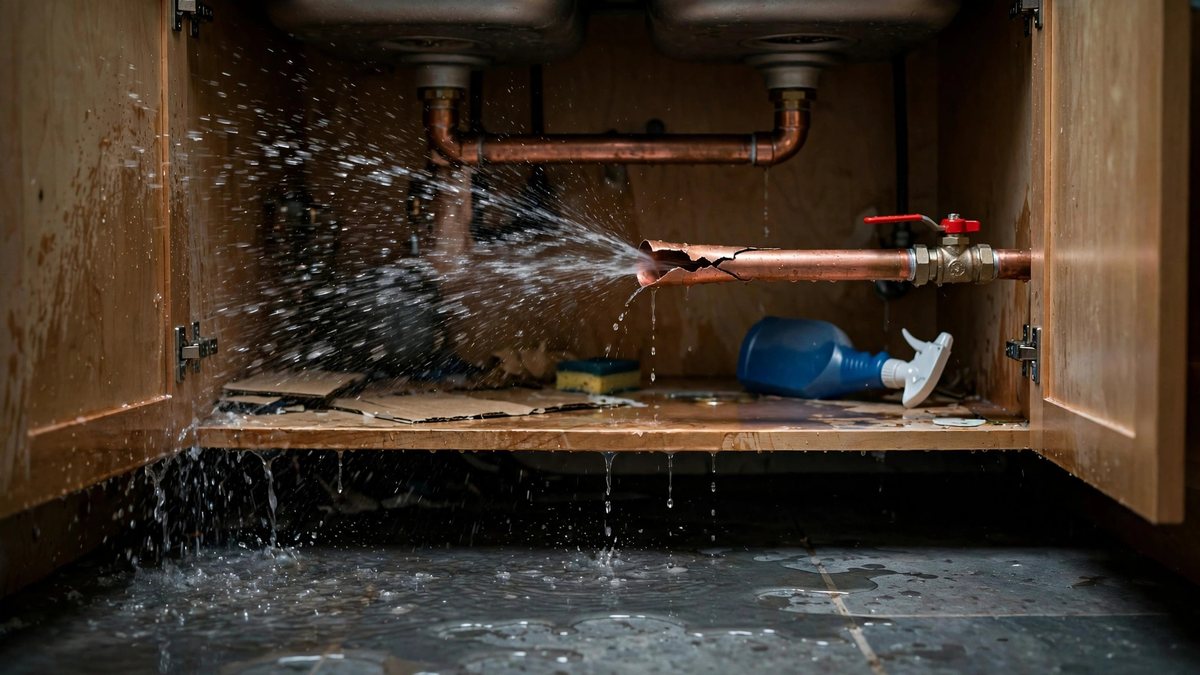
Water damage from a burst pipe in a Lebanon TN home

Signs of a Burst Pipe and Common Causes

Freezing is the leading cause of burst pipes in this region. Water expands as it turns to ice, and pressure builds until the pipe wall gives way. Ice storms add a second risk: outages stop furnaces, indoor temperatures fall, and normally warm pipes freeze in place. Other causes include corrosion in older metal pipe, high water pressure stressing weak joints, and accidental damage during renovation.

If you suspect a burst, closing the main shutoff valve is the most important first step. That single action limits the total water released and usually determines whether damage stays in one room or spreads through several.

How the Work Proceeds

  1. Leak Confirmation and Damage Mapping

    We confirm the release has stopped, then inspect every area the water could have reached, including rooms below the break and spaces along the pipe route. Moisture meters define the affected footprint, which is often larger than the room where the break occurred.

  2. Water Extraction

    Standing water is extracted from floors, carpet, and low areas, and saturated contents are moved or protected. Where heavy release damaged drywall, debris is cleared at this stage as well. Fast extraction limits wicking into framing and reduces the load on drying equipment.

  3. Opening Cavities and Removing Damaged Material

    Wet drywall, insulation, and flooring that cannot be dried reliably are removed so cavities can be dried directly. This controlled opening exposes hidden pockets of water that surface drying would miss. The extent of removal is based on moisture readings and explained before cutting begins.

  4. Structural Drying

    Air movers direct airflow across damp framing, subflooring, and cavities, while dehumidifiers remove moisture from the air. Readings are checked during drying and equipment is repositioned as areas dry at different rates. Crawl space and attic sections receive attention when the pipe route passed through them.

  5. Cleaning and Repair Readiness

    Dried areas are cleaned and prepared for the plumber's final work and any drywall, flooring, or paint repairs. We review moisture results with you, note pipe insulation suggestions to discuss with your plumber, and leave rooms ready for the restoration stage.

Common Scenarios We Encounter

These illustrative examples reflect typical burst pipe patterns seen during Middle Tennessee cold snaps. They are general situations without specific addresses, included so Lebanon homeowners can recognize how a freeze in one location can create damage in rooms some distance from the break itself.

Attic Pipe Split During a Cold Snap

An uninsulated attic pipe freezes during several nights of hard cold, then splits as temperatures rise. Water runs through the ceiling into a bedroom and hallway before the homeowner closes the shutoff. Cleanup involves extracting carpet water, removing wet ceiling drywall and insulation, and drying the attic framing and rooms below over several days of monitored equipment operation.

Crawl Space Line Failure

A supply line in a vented crawl space bursts during an ice storm outage. The release goes unnoticed until low pressure is reported the next day. Water saturates soil, insulation, and subflooring. Work centers below the home: removing wet insulation, extracting pooled water, and drying framing while rooms above are checked carefully for moisture that may have migrated upward through the flooring.

Exterior Wall Kitchen Line Break

A kitchen pipe inside an exterior wall freezes and breaks behind cabinetry. Water spreads under cabinets and flooring into an adjoining laundry room. The response includes moving appliances, opening the cabinet base area, lifting affected flooring, and drying the wall cavity, keeping removal focused on the kitchen zone rather than spreading into unaffected parts of the home.

Frequently Asked Questions

What should I do first when a pipe bursts?

Close the main water shutoff valve to stop the release, then turn off electricity to affected areas if water is near outlets or appliances and the breaker panel can be reached without standing in water. Move belongings out of wet areas if safe, and photograph the damage for your records before cleanup changes the scene.

What are your hours for burst pipe cleanup in Lebanon?

Our posted hours are Mon–Fri 7am–10pm EST, Sat 8am–10pm EST, and Sun 7am–9pm EST. Use the request form to tell us where the break occurred, whether the water is shut off, and which rooms are wet. Include your Lebanon ZIP code so we can plan the visit and respond during service hours.

Do you repair the broken pipe itself?

Our focus is the building: extraction, material removal, drying, and cleanup of the damage a burst leaves behind. The pipe repair itself is plumbing work, and many homeowners have a plumber handle the line while we handle the structure. The two efforts coordinate well, because drying often requires access to the same areas.

Can a burst pipe cause mold problems later?

It can, if moisture is left inside walls, under flooring, or in insulation. Mold can begin growing within 24 to 48 hours in damp conditions, which is why cavity drying and moisture verification matter after a burst. Proper extraction, opening of wet cavities where needed, and monitored drying bring materials back to dry levels before repairs close them in.

Related Services

Burst pipe recovery draws on several services. The broader repair sequence is covered under water damage restoration, fixture and heater leaks are addressed in appliance leak cleanup, and below-floor damage is handled through crawl space water damage services. For area coverage, see our page for Lebanon, TN.

Burst Pipe Damage at Your Lebanon Home?

Let us know where the pipe broke, whether the water is off, and which rooms are affected. We will review your request and outline the cleanup plan.

Request Service
Request Service