
Mon–Fri 7am–10pm EST  ·  Sat 8am–10pm EST  ·  Sun 7am–9pm ESTRequest Service
Lebanon Water Damage Pros logoLebanon Water Damage ProsRequest a Quote

Appliance Leak Cleanup in Lebanon, TN

The appliances that make daily life easier are also some of the most common sources of household water damage. A water heater that begins leaking in a closet, a washing machine hose that splits during a cycle, or a dishwasher that seeps a little more with every load can release water for hours before anyone notices. Lebanon Water Damage Pros helps Wilson County homeowners clean up after appliance failures and dry the floors and walls around them.

Based at 1420 W Main St, Lebanon, TN 37087, we work across ZIP codes 37087, 37088, and 37090. Appliance leaks are often slow and hidden rather than dramatic, which is why they cause outsized damage: water spreads under flooring and into wall bases quietly, sometimes for weeks, before a stain, odor, or soft spot gives it away.

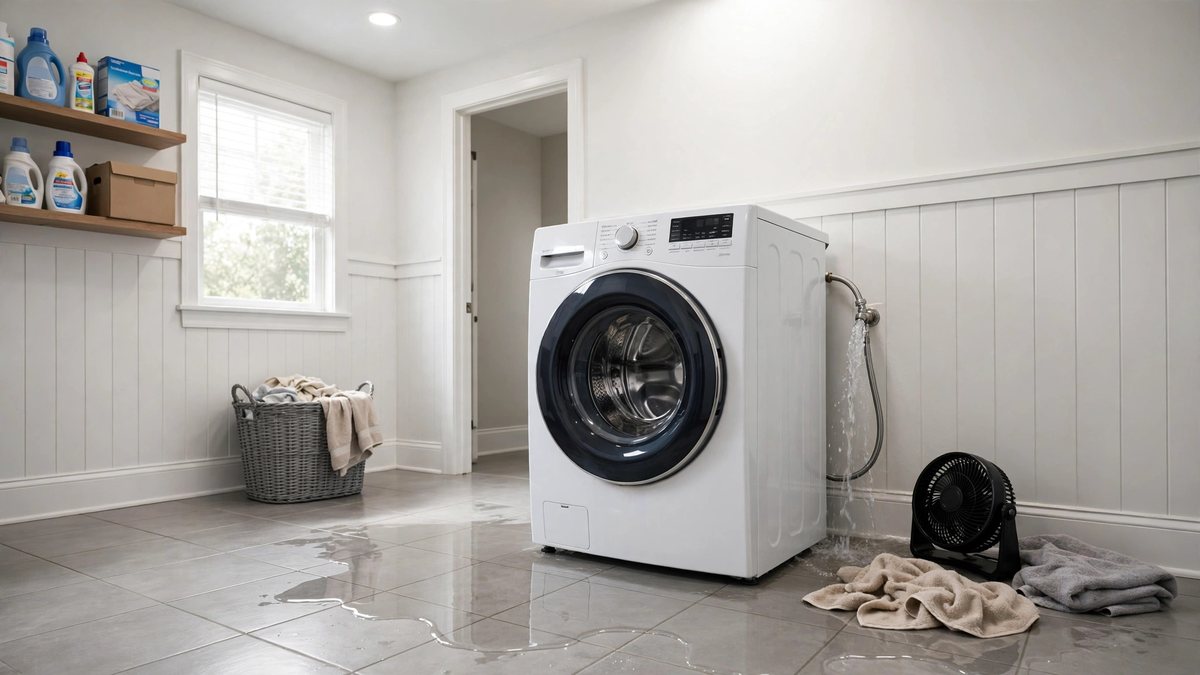
Appliance leak cleanup around a water heater in a Lebanon TN home

Common Appliance Leak Causes and Signs

Each appliance fails in its own way. Water heaters corrode from the inside and can leak from the tank, valves, or supply connections. Washing machines depend on hoses, drain lines, and door seals that age and crack. Dishwashers leak at door gaskets, inlet valves, and drain connections hidden behind cabinet fronts. Air conditioning systems produce condensate all summer, and a clogged drain line sends that water into a drain pan, a ceiling, or a closet floor.

Warning signs that an appliance leak needs attention include:

From May through September, clogged AC condensate lines are a recurring theme in Lebanon homes, because systems run for long stretches in hot, humid weather. Algae and debris build up in the drain line, the pan fills, and overflow follows. A seasonal line check helps avoid a midsummer ceiling stain.

How the Work Proceeds

  1. Shutoff Guidance and Source Identification

    We help you identify which appliance is leaking and where to shut off its water supply. Confirming the exact source, whether a hose, valve, tank, or drain line, ensures cleanup targets every area the water reached.

  2. Moisture Inspection Around the Appliance

    Using moisture readings, we check flooring, subfloors, wall bases, and adjacent rooms to map how far the leak spread. Appliance water often travels under vinyl, laminate, or tile before surfacing, so the inspection extends well beyond the visible wet spot around the unit.

  3. Water Extraction and Surface Cleanup

    Standing and trapped surface water is extracted, and affected floors and surfaces are cleaned. Where water collected under appliances or inside cabinet bases, those spaces are opened to air and addressed directly rather than left behind closed doors.

  4. Drying of Floors, Walls, and Cabinets

    Air movers and dehumidifiers are set to dry the mapped areas, including subfloors and the lower sections of walls. Readings are rechecked as drying progresses, which is especially important for slow leaks, where materials may have absorbed moisture for a long time before discovery.

  5. Review and Repair Coordination Notes

    We walk through the results with you, confirm which areas dried successfully, and note what still needs a plumber or appliance technician, such as a replacement hose, valve, or drain line clearing.

Common Scenarios We Encounter

The examples below are illustrative descriptions of appliance leak situations in Wilson County homes, in general terms only and without reference to specific customers. Your appliance, layout, and damage will shape the actual cleanup plan.

Water Heater Leaks Into a Closet

A water heater develops a slow tank leak that soaks the closet floor and wicks into the adjoining bedroom wall before it is noticed. The tank is shut off and drained by a plumber, while cleanup focuses on extracting water, drying the closet floor system, and checking the shared wall. Early drying protects the subfloor from softening under the weight of the replacement unit.

Washing Machine Hose Failure

A supply hose splits during a wash cycle in an upstairs laundry room, sending water through the floor into the ceiling below. Extraction and drying address both levels, with particular care for the ceiling cavity and the laundry room subfloor. The homeowner is advised to replace both hoses, since hoses of the same age tend to share the same wear.

Clogged AC Condensate Line in Summer

During a stretch of hot weather from May into September, a condensate drain line clogs and the overflow stains a hallway ceiling and dampens the attic-side drywall around the air handler. After the line is cleared, drying targets the ceiling materials and the closet housing the unit. A simple seasonal line check is recommended to keep the problem from returning.

Frequently Asked Questions

What should I do first when I find an appliance leak?

Shut off the water supply if you can do so safely, and turn off power to the unit if water is near electrical connections. Move dry belongings away from the wet area and avoid running the appliance again. Note how long the leak may have been active, because duration helps us judge likely spread.

How far can water from a small leak really spread?

Farther than most people expect. Water follows gravity and the path between flooring layers, so a slow dishwasher leak can wet a wide section of subfloor and several cabinet bases while only a small area looks damp. That is why our inspection uses moisture readings around the appliance rather than relying on what is visible.

Do you repair or replace the appliance itself?

Our work is the water cleanup: extraction, cleaning, and drying of the affected structure and surfaces. Repairs and replacement of tanks, hoses, and valves, and clearing of condensate lines, are handled by your plumber or HVAC technician. We coordinate timing so drying can begin once the source is fully stopped.

How can I reduce the chance of another appliance leak?

Replace rubber washing machine hoses on a regular schedule, check water heater pans and valves during routine maintenance, and have AC condensate lines checked during the cooling season. Leak alarms near water heaters and washers add another layer of warning while a leak is still small.

What are your hours for leak cleanup?

Our hours are Mon–Fri 7am–10pm EST, Sat 8am–10pm EST, and Sun 7am–9pm EST. When you request service, tell us which appliance leaked, where it is located in the home, and whether the water is shut off, so we can plan the inspection and bring suitable drying equipment.

Related Services

A major hose failure can overlap with our burst pipe water damage service, and larger appliance events are often handled as part of full water damage restoration. When a slow leak has been active for a long time, mold remediation may also be needed. For coverage details, visit our Lebanon, TN service area page.

Dealing With a Leaking Appliance?

Tell us which appliance is involved and where the water has spread, and we will arrange an inspection and drying plan for your home.

Request a Quote
Request Service