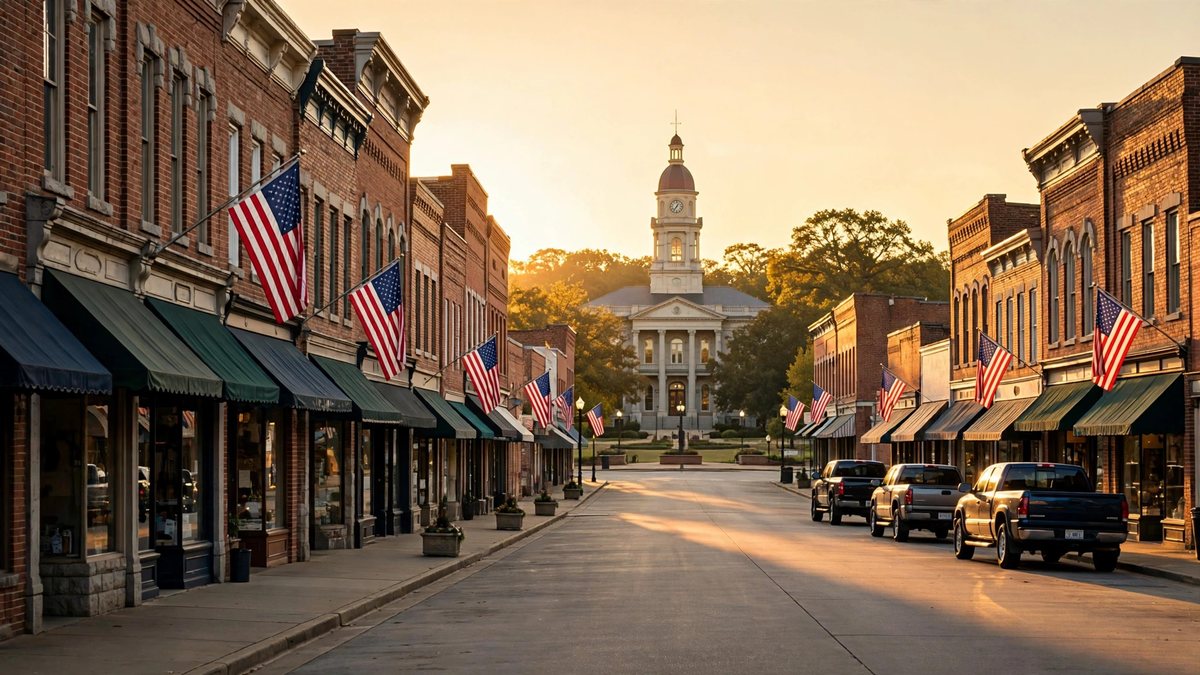
Downtown Lebanon & the Public Square
Downtown centres on the Public Square and the Wilson County Courthouse, a few blocks from Cumberland University, with historic homes, small businesses, and civic buildings on compact lots. Many properties are older, with plumbing repaired in sections over the years. Typical risks include aging supply lines, slow leaks inside walls that surface late, and basement or crawl space moisture after heavy rain where drainage is older too. Careful drying matters, because original wood floors and plaster respond differently than newer materials.
Five Oaks
Five Oaks is the golf community off Leeville Pike in southwest Lebanon, with larger homes, finished lower levels, and landscaped lots. Homes often have multiple bathrooms, upper-level laundry, and water heaters in garages or utility closets — each a leak point above finished space. Typical risks include appliance leaks soaking hardwood before they are noticed, drainage issues on sloped lots, and lower-level water entry during heavy rain. Early extraction and thorough drying help protect finished materials.
Leeman Springs (Blair Lane)
Leeman Springs covers the growing area around Blair Lane in south Lebanon, near the I-40 exits and South Cumberland Street shopping. Housing is largely newer subdivisions and townhomes, often with upstairs laundry and bathrooms over living space. Typical risks include washing machine and water heater leaks on upper levels, supply line failures travelling through open framing, and fittings beginning to fail as homes age. Because finished space sits below plumbing here, fast assessment limits how far water spreads.
Barton Village
Barton Village is a planned Lebanon community with front porches, sidewalks, single-family homes and townhomes, and shared green spaces. Homes are relatively new, but closely spaced and attached housing means one unit's leak can affect a neighbour through shared walls and floors. Typical risks include appliance and HVAC drain leaks, bathroom overflows affecting the unit beside or below, and drainage water collecting against foundations after storms. Clear documentation helps when more than one household is affected.
The Preserve at Belle Meade
The Preserve at Belle Meade is a Lebanon community of larger homes on landscaped lots, with an established, long-term feel. Many homes include finished basements, lower-level offices, and living areas spread across floors. Typical risks include basement water entry at foundation joints during sustained rain, drainage failures in lower levels, and slow leaks in less-used bathrooms that go unnoticed for days. Moisture readings beyond the visibly affected room are especially important in homes of this size.
Oak Hill Estates
Oak Hill Estates is an established neighbourhood of single-family homes on generous, tree-lined lots, mixing original builds with renovated and extended homes. Mature trees are part of its character, and roots can affect older sewer and drainage lines. Typical risks include sewer backups, crawl space moisture in vented foundations, and leaks where additions meet the original structure. Those transitions also create hidden spots where water collects out of sight, so inspection follows the building, not just the stain.
The Meridien
The Meridien is an apartment and townhome community in Lebanon, home to Cumberland University students, young professionals, and families close to South Cumberland Street amenities. Multi-unit buildings concentrate plumbing — stacked bathrooms, shared supply runs, and laundry facilities — so one failure can affect several residences. Typical risks include upstairs leaks reaching ceilings below, water heater failures in closets, and appliance overflows spreading across shared floors. Quick extraction and clear records of affected units keep a disruptive event organised.
Carver Lane & Toucan Drive (West Lebanon)
The Carver Lane and Toucan Drive area of West Lebanon is a pocket of family homes on quieter streets, within easy reach of West Main Street. Homes are a practical mix of ages, many with crawl spaces, attached garages, and utility areas at the back. Typical risks include crawl space standing water after wet seasons, utility leaks soaking subfloors before showing on the surface, and drainage water pooling on flatter lots during heavy rain. Inspection under the home matters as much as inside it.
North & South Cumberland Street Corridors
The North and South Cumberland Street corridors carry much of Lebanon's daily life — retail, restaurants, medical offices, apartments, and homes on side streets, with Cumberland University near the southern stretch. Commercial properties cannot stay closed long, and side streets include many older rental homes. Typical risks include restroom and kitchen plumbing failures, roof leaks over large flat roofs, and residential leaks found late between tenancies. Low sections near creek crossings also see drainage overwhelmed during intense rain.
East & West Main Street Historic Districts
The historic districts along East and West Main Street hold Lebanon's oldest homes — Victorian and early twentieth-century houses with original woodwork and generations of alterations behind the walls. Older plumbing is the defining risk: ageing lines, older valves, and drainage predating modern standards, with historic districts' older plumbing often failing slowly and out of sight. Typical problems include pinhole leaks, slow joint failures, and damage concealed inside lath-and-plaster walls. Parts of these districts sit near creeks, adding flood risk for low-lying streets. Drying is planned around preserving original materials wherever readings allow.