
Mon–Fri 7am–10pm EST  ·  Sat 8am–10pm EST  ·  Sun 7am–9pm ESTRequest Service
Lebanon Water Damage Pros logoLebanon Water Damage ProsRequest a Quote

Basement Flooding Cleanup in Lebanon, TN

A flooded basement disrupts the whole house, even when the living areas upstairs stay dry. Water collects against stored belongings, flooring, drywall, and the mechanical systems many Lebanon homes keep below grade, and it rarely drains away on its own. Lebanon Water Damage Pros helps Wilson County homeowners clear floodwater, clean affected surfaces, and dry the structure, so the space below your home can be used again with confidence.

We serve Lebanon from 1420 W Main St, Lebanon, TN 37087, covering ZIP codes 37087, 37088, and 37090. Middle Tennessee rain events can drop a large amount of water quickly, saturating soil around foundations and pushing water through floor joints and wall cracks. Finished and unfinished basements both need attention, because moisture left in concrete, framing, and insulation affects the home long after puddles disappear.

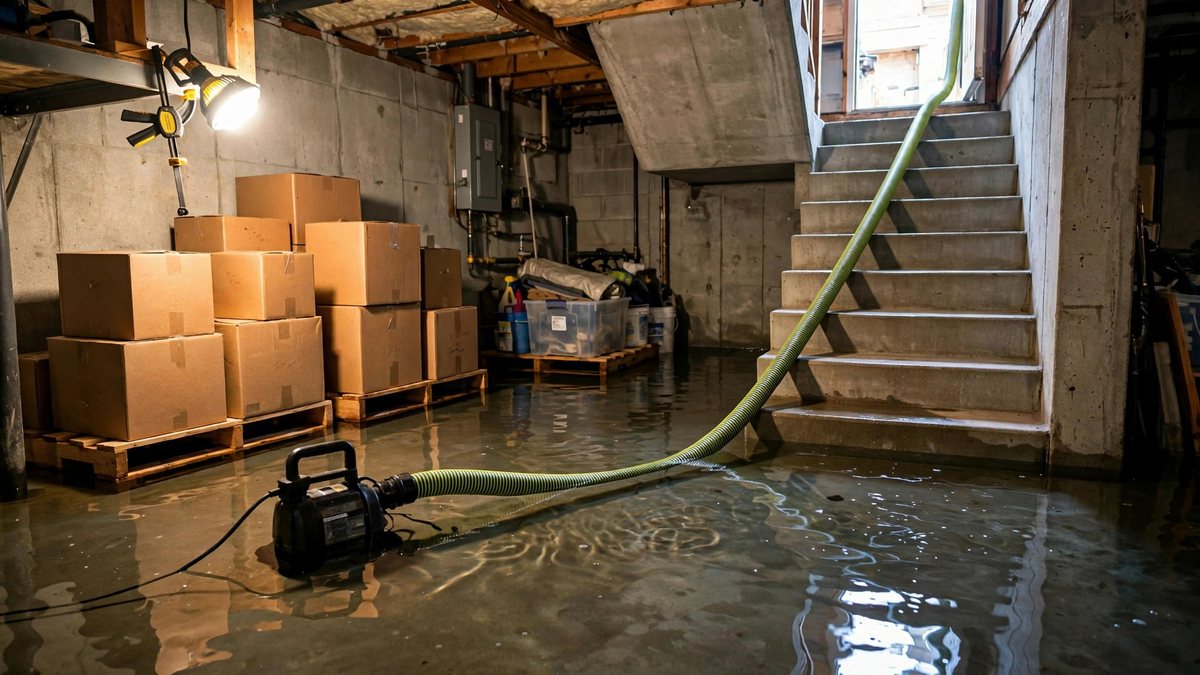
Basement flooding cleanup in progress at a Lebanon TN home

Causes and Signs of Basement Flooding

Most basement flooding in the Lebanon area traces back to water arriving faster than the home can shed it. Heavy rain saturates the ground around the foundation, and hydrostatic pressure finds the easiest path inside: a floor drain, a sump pit, a crack, or the joint where the wall meets the slab. Sump pump failures during storms are another frequent cause, particularly when heavy rain knocks out power and the pump stops working.

Signs and causes to check after any major rain or thaw include:

Even shallow flooding deserves a careful response. Water can wick well above the visible line into drywall and insulation and soak framing and stored items. Checking the full height and spread of moisture is what separates a lasting cleanup from a superficial one.

How the Work Proceeds

  1. Safety Review and Source Check

    We start by checking for electrical hazards, confirming systems in the basement are safe to approach, and identifying where the water entered. Knowing whether the source was rain intrusion, a drain backup, or a failed sump pump shapes both the cleanup and the advice we give for reducing a repeat event.

  2. Water Extraction

    Standing water is pumped and extracted from floors, carpet, and low areas, working from the deepest sections outward. Removing the bulk water quickly limits how much more moisture the walls, framing, and contents absorb while the rest of the cleanup is organized.

  3. Contents Handling and Cleaning

    Affected belongings are sorted so cleanable items can be moved, cleaned, and dried, while unsalvageable materials are identified for removal. Hard surfaces are cleaned after extraction, and porous finishes that trapped floodwater are addressed based on their condition.

  4. Structural Drying

    Air movers and dehumidifiers are placed to dry concrete, framing, drywall, and floor systems, with extra attention to wall bases and enclosed areas. Because basements are naturally cooler and more humid, drying is monitored with moisture readings until materials reach appropriate levels.

  5. Final Walkthrough and Prevention Notes

    We review the dried space with you, confirm readings, and discuss practical prevention steps, such as sump pump maintenance and keeping floor drains clear. You receive a clear summary of what was cleaned, what was dried, and any materials that still need repair or replacement.

Common Scenarios We Encounter

The situations that follow are illustrative examples of basement flooding calls in Wilson County, in general terms only. They are not stories about specific customers, and conditions in your basement may involve a different source.

Heavy Rain Overwhelms Drainage

An extended Middle Tennessee rain saturates the soil around a foundation, and water begins seeping through the wall-floor joint across one side of an unfinished basement. Stored boxes and shelving sit in shallow water. Extraction clears the floor, affected items are sorted and dried, and careful dehumidification brings the concrete and framing fully back to normal moisture levels across the space.

Sump Pump Fails During a Storm

A sump pump stops working during a nighttime storm, and by morning the pit has overflowed across a finished basement, wetting carpet and the bottom of the drywall. Cleanup starts with extraction, followed by removal of soaked padding and drying focused on wall bases. The pump issue is flagged clearly so it can be corrected before the next heavy rain.

Recurring Seepage in One Corner

One basement corner shows dampness after most significant rains, with staining on the wall and a persistent musty smell in the room above. Inspection traces the pattern to grading and a downspout discharge near that corner. The interior is cleaned and dried, and the homeowner gets straightforward notes on the exterior changes most likely to reduce future seepage in that area.

Frequently Asked Questions

How soon should a flooded basement be cleaned up?

As soon as it is safe to enter, prompt action helps. The longer water sits, the more it wicks into drywall, insulation, and stored belongings, and the stronger odors become. If electrical hazards are possible, wait for guidance before entering standing water, and avoid running equipment that was submerged until checked.

Can a finished basement be dried without removing drywall?

Sometimes, depending on how high the water rose, how long it sat, and whether insulation inside the wall is saturated. Moisture readings at several heights guide the decision. When the lower wall is wet through, limited removal of the affected section can be the more reliable path, and we explain the reasoning before work begins.

What should I do with wet belongings in the basement?

Move dry items out of the wet zone first to protect them, and avoid sealing damp items in closed bins, which traps moisture. Solid furniture and washable goods often clean up well, while soaked cardboard, padding, and some pressed-wood items may not. We help sort contents during cleanup so decisions are based on condition.

What are your service hours?

Our hours are Mon–Fri 7am–10pm EST, Sat 8am–10pm EST, and Sun 7am–9pm EST. When you send a request, include how deep the water is, whether it is still rising, and whether your basement is finished or unfinished, so we can bring the right extraction and drying equipment.

Will cleaning stop the basement from flooding again?

Cleanup and drying restore the interior, but preventing a repeat depends on the entry source, such as pump condition, grading, gutters, or foundation cracks. We identify the likely source during our visit and share practical next steps for you or your contractor.

Related Services

Basement work typically begins with water extraction and removal and may continue as a broader flood damage cleanup when other levels are affected. Homes without a basement often face similar issues below the main floor, covered by our crawl space water damage service. See our Lebanon, TN area page for the neighborhoods and ZIP codes we cover.

Standing Water in Your Basement?

Describe the depth, the likely source, and whether the space is finished, and we will plan your extraction and drying visit.

Request Service
Request Service