October 19, 2026 · Water Damage Tips
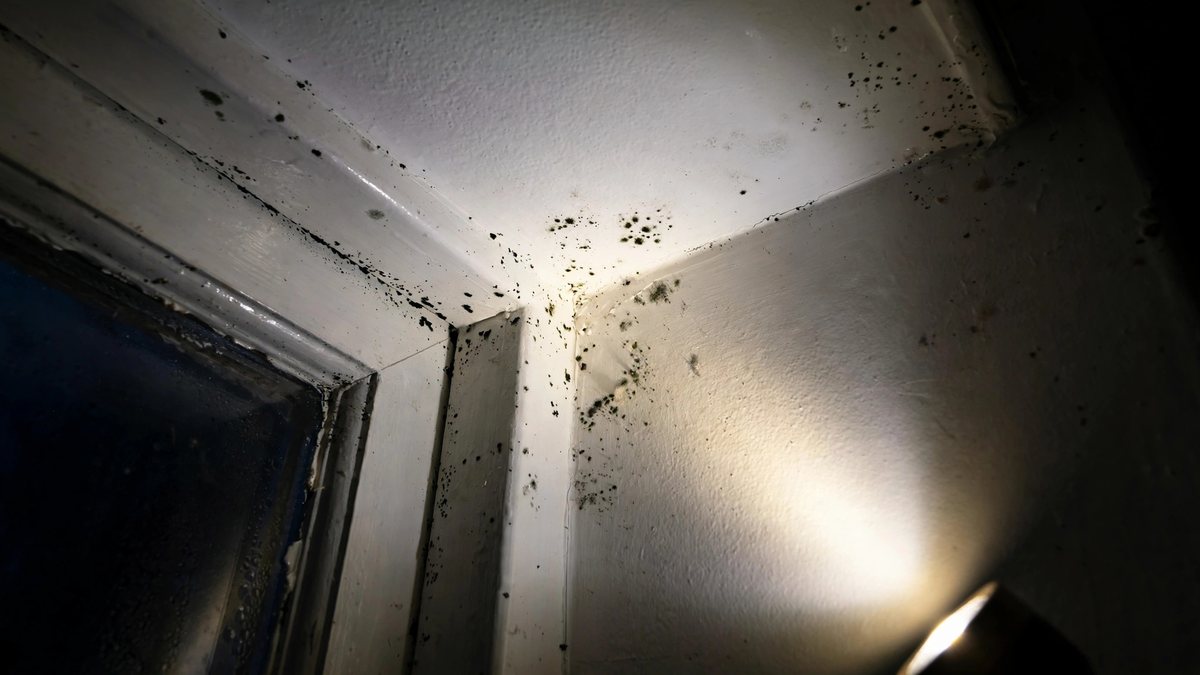
Mold does not need much to get started. It needs moisture, a food source such as drywall, wood, or dust, and time. After a leak, a burst pipe, or flooding in your Lebanon home, those conditions can come together quietly, often in places you cannot easily see.
Learning the early signs helps you act before a small problem spreads through walls, flooring, and ductwork. This guide covers the odors, visible clues, hidden locations, and health symptoms worth taking seriously, and explains why the first 24 to 48 hours after water damage are so important.
A persistent musty, earthy smell is one of the most common early signs of mold growth. It is often strongest when you first enter a room, open a closet, or go into a basement or crawl space after it has been closed up. If the smell appeared after a leak or flood and does not fade as the room dries, moisture is likely still present somewhere.
Trust your nose. An unexplained musty odor after water damage is a reason to investigate further, even when you cannot see anything growing yet.
When mold becomes visible, it may appear as clusters of dark, green, white, or gray spots on walls, ceilings, grout, or wood. It can look fuzzy, slimy, or powdery. Just as telling are the surface changes around it: paint that bubbles or peels, drywall that feels soft, wallpaper that lifts, and stains that keep expanding after the original leak has stopped.
Do not rely on appearance alone to judge the size of a problem. What shows on the surface can be a small part of growth that is also spreading on the back side of the wall or under the floor. Scrubbing a visible patch without addressing the moisture source usually means the growth returns, because the material underneath is still damp.
The most troublesome growth is often out of sight. Water travels along framing, pools under flooring, and wicks into insulation, giving mold protected places to grow undisturbed.
Checking these areas after any significant water event matters. Moisture readings at baseboards, under flooring edges, and inside closets can reveal damp material that looks dry on the surface but is still wet enough to support growth.
People respond to mold differently, but symptoms that appear or worsen at home deserve attention. Common complaints include nasal congestion, sneezing, coughing, itchy or watery eyes, throat irritation, and headaches. People with asthma or allergies may notice stronger reactions, such as wheezing or difficulty breathing. If symptoms are serious or persistent, seek medical advice promptly rather than trying to diagnose the cause yourself.
The best defense is speed. Mold can begin growing on wet materials within 24 to 48 hours, which is why extraction and drying should start right away after water damage. Removing standing water, running dehumidification, and moving air across wet surfaces all work to take away the moisture mold needs. Once materials are fully dry and stay dry, new growth is far less likely. If you suspect established growth, professional remediation focuses on containing the area, removing affected material safely, cleaning surfaces, and correcting the moisture problem so it does not return.
Mold can begin to grow on damp materials within 24 to 48 hours. That short window is why prompt water removal and thorough drying are so important after any leak, burst pipe, or flood inside your home.
Yes. Mold often grows behind baseboards, inside wall cavities, under flooring, and in ductwork. A persistent musty odor after water damage is a strong sign that hidden moisture and possible growth should be checked.
Very small surface areas on non-porous materials can sometimes be cleaned by a homeowner, but larger areas, growth inside walls or HVAC systems, and any situation involving contaminated water should be handled professionally to avoid spreading spores.
Drying stops active growth from spreading, but existing mold does not simply disappear. Affected materials may still need cleaning or removal, and the moisture source must be fixed so growth does not return.
If you have noticed odors, spots, or symptoms after a water event, our team can help with mold remediation and with structural drying and dehumidification to address the moisture behind the problem. See how we serve homeowners in Lebanon, TN, and request an assessment if you are unsure what you are dealing with.
Early action limits the spread. Contact Lebanon Water Damage Pros to request service and talk through what you are seeing and smelling at home.
Request Service Call (615) 759-0522