October 16, 2026 · Storm & Flood Guidance
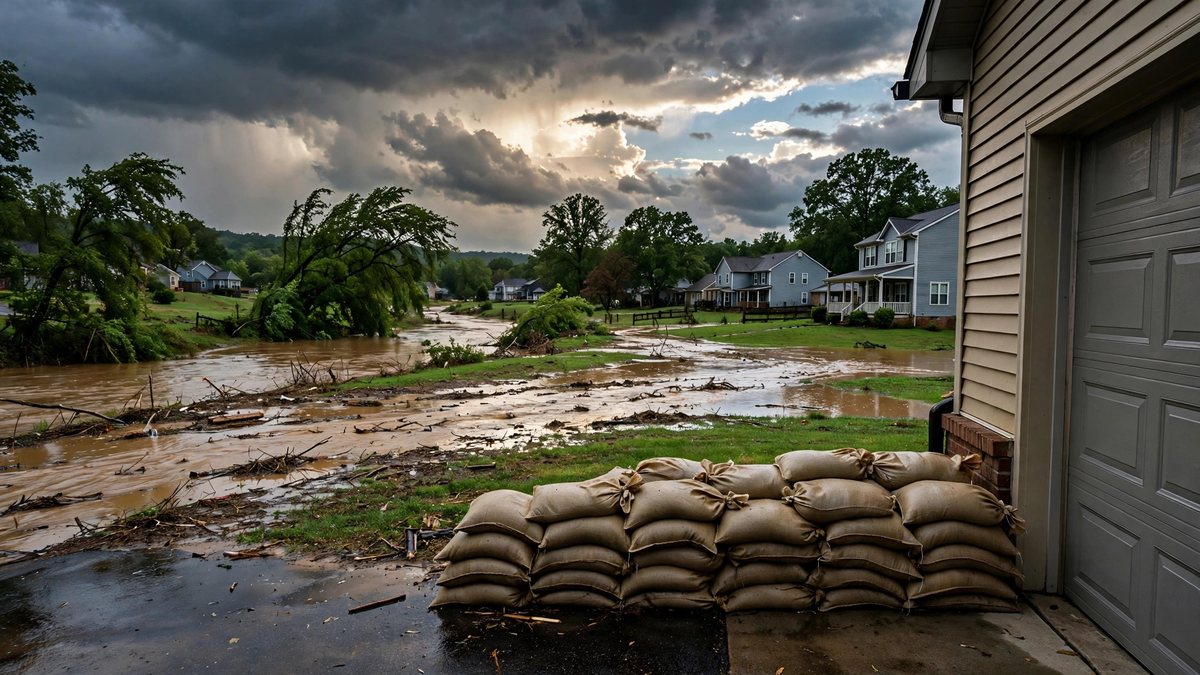
Middle Tennessee weather can change quickly. Heavy spring storms and intense downpours can overwhelm drainage, swell creeks, and push water into homes that have never flooded before. In Lebanon, low areas near Sinking Creek and other local waterways deserve extra attention when forecasts call for sustained rain, because water can rise in streets and yards faster than many homeowners expect.
This guide covers what to do before, during, and after a storm. The goal is to protect your family first, your documents and belongings second, and make cleanup and documentation after the water recedes as orderly as possible.
Preparation works best on a calm day, not while rain is already falling. Start outside. Clear leaves and debris from gutters, downspouts, and yard drains so water can move away from the house. Check that downspout extensions carry water well away from the foundation, and note low spots where water pools against exterior walls after an ordinary rain. Those spots are a preview of where trouble is likely during a heavier storm.
Inside, move important papers, photos, and electronics off basement and ground-floor floors onto shelves or upper levels. Store copies of insurance policies and identification in a waterproof container, with a digital backup you can reach from your phone. Photograph each room, including appliances and serial numbers, while everything is dry.
Sandbags help with shallow surface water only. They will not hold back deep or fast-moving floodwater.
When flooding is possible, personal safety outweighs property every time. Follow local weather alerts and Wilson County emergency information, and be ready to leave low-lying areas if officials advise it. If water enters your home, avoid walking through it until you are sure electrical hazards are not present. Water and electricity are a dangerous combination, especially around outlets, appliances, and a wet electrical panel.
Never drive through floodwater covering a road. The surface underneath may be washed away, the water may be deeper than it looks, and a stalled vehicle can trap you as water rises. Turn around and find another route. The same caution applies on foot: moving water can hide open drains, debris, and uneven ground.
Once it is safe to return, document everything before you move or discard items. Take wide photos of each affected room, then closer photos of water lines on walls, damaged flooring, and affected appliances. Keep receipts and notes for emergency work and supplies in one folder.
Cleanup should follow a clear order. Standing water needs prompt extraction so it stops soaking into drywall, insulation, and subfloors. Wet porous materials that cannot be dried may need removal so drying can reach the structure behind them. Then the focus shifts to controlled drying: air movement combined with dehumidification, checked over several days with moisture readings. A surface that feels dry can still hide damp material inside a wall cavity, so verification matters before flooring is replaced.
For insurance documentation, keep your photos, a list of damaged items with approximate ages, and notes from any professional assessment together. Report the loss promptly following your policy instructions, and do not discard damaged materials until you know what your insurer wants kept for inspection.
Cleanup should start as soon as it is safe to enter the property. The longer standing water and soaked materials sit, the deeper moisture spreads into walls and floors and the greater the chance of mould growth and odour problems.
That depends on how much of the home is affected and whether bathrooms, cooking facilities, and safe electrical service are available. Small, contained areas can often be dried while you remain at home, while extensive flooding may make temporary alternative accommodation safer and more practical.
Photograph every affected room from several angles, water lines on walls, damaged flooring and furniture, and the details of affected appliances. Keep those images with a written list of damaged items and receipts for emergency work.
If a storm has left water in your home, our storm damage restoration and flood damage cleanup pages explain our extraction, drying, and cleanup process. We serve Lebanon, including the 37087, 37088, and 37090 ZIP codes — see our Lebanon, TN service area page. Tell us what happened and we will explain the next steps before any work begins.
Tell us what the storm left behind and we will outline a clear plan for extraction, drying, and cleanup.
Request Service