
Mon–Fri 7am–10pm EST  ·  Sat 8am–10pm EST  ·  Sun 7am–9pm ESTRequest Service
Lebanon Water Damage Pros logoLebanon Water Damage ProsRequest a Quote

Storm Damage Restoration in Lebanon, TN

Severe weather is a familiar part of life in Middle Tennessee, and when a strong storm passes over Wilson County, homes can take on water from several directions at once: a roof opened by wind, rain driven sideways under shingles and siding, and ground water rising around foundations. Lebanon Water Damage Pros helps Lebanon homeowners respond after the weather clears, with cleanup, water removal, and drying that address the whole pattern of storm damage rather than just the first visible wet spot.

We are located at 1420 W Main St, Lebanon, TN 37087 and serve ZIP codes 37087, 37088, and 37090. Tennessee's severe thunderstorm and tornado season brings repeated rounds of high wind and intense rainfall, especially in spring. Even well-kept homes can suffer a lifted shingle, a damaged vent, or overwhelmed gutters. Our role begins once it is safe to enter the affected areas.

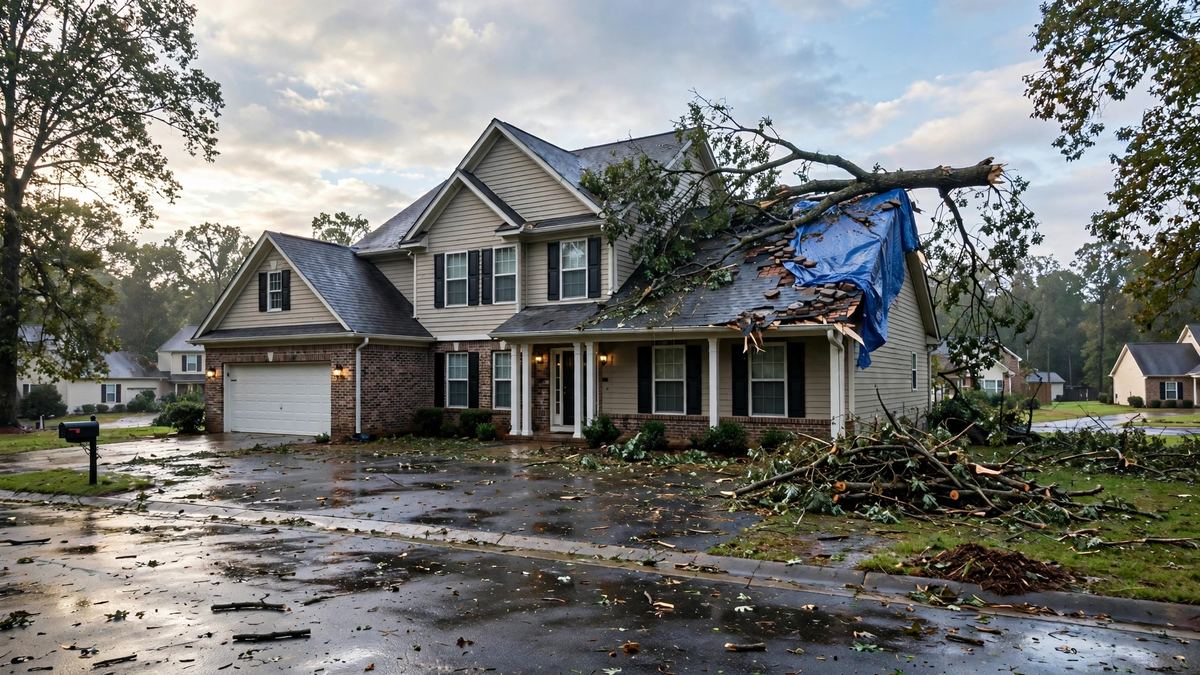
Storm damage restoration after severe weather in Lebanon TN

Storm Damage Signs and Causes

Storm water damage often starts above eye level. Wind can lift or remove shingles, damage flashing, and break seals around vents and chimneys, allowing rain to enter the attic and travel down inside walls. Fallen limbs can puncture roofing or crush gutters, and wind-driven rain can push past siding and window frames. At ground level, intense rainfall can overwhelm drainage and send water into basements, crawl spaces, and ground-floor rooms.

After a severe storm, check for these signs and causes:

Some storm damage appears immediately, while other problems show up days later as stains spread or odors develop. A methodical inspection of the attic, ceilings, exterior walls, and lowest level catches both kinds before trapped moisture creates a larger repair.

How the Work Proceeds

  1. Safety and Damage Assessment

    Once conditions are safe, we assess the property inside and out, noting visible roof damage, active leaks, and every area where water has entered. Safety comes first: areas with structural concerns or electrical hazards are identified before cleanup equipment is brought in.

  2. Temporary Protection Guidance

    Openings in the roof or exterior need temporary cover to keep additional rain out while permanent repairs are arranged. We provide guidance on tarping and securing damaged areas, and explain which repairs belong with a roofer or contractor so drying work is not undone by the next rainfall.

  3. Water Extraction and Debris Clearing

    Standing water is extracted from affected rooms, and storm debris, soaked insulation, and damaged materials that cannot be dried are identified and removed as needed. Clearing the space early makes drying more effective.

  4. Cleaning and Structural Drying

    Affected surfaces are cleaned, and air movers with dehumidifiers are placed to dry wall cavities, flooring systems, attics, and below-grade spaces. Moisture readings taken across the damaged areas guide equipment placement and confirm progress until materials return to appropriate levels.

  5. Documentation and Final Review

    We document the damage found, the areas cleaned and dried, and the final moisture readings, then walk the property with you to review the results. This record is useful for planning contractor repairs and keeping your own account of the work organized.

Common Scenarios We Encounter

The situations below are illustrative examples of storm-related calls in Wilson County, in general terms only. They do not refer to specific customers or storms, and damage at your home will depend on the weather, your roof, and your lot.

Wind-Lifted Shingles and an Attic Leak

Strong thunderstorm winds lift a section of shingles, and rain enters the attic over the following hours, soaking insulation and staining the bedroom ceiling below. The response includes guidance on temporary roof cover, removal of saturated insulation where needed, and drying of the ceiling and attic materials. A roofer then completes the permanent shingle and flashing repairs on the roof.

Downpour Flooding at Ground Level

An intense downpour overwhelms gutters and yard drainage, and water pushes under a back door into a kitchen and adjoining living room. Extraction clears the standing water, flooring and wall bases are checked with moisture readings, and drying equipment addresses the subfloor and lower drywall. Gutter and grading notes are shared to reduce the chance of a repeat during later storms.

Fallen Limb Damages Roof and Gutter

A falling limb strikes the edge of a roof during a storm, bending a gutter and opening a gap where rain runs down inside the exterior wall. Cleanup focuses on the wet wall cavity, the room below, and the floor area beneath the leak path. Securing the damaged section promptly keeps later rain from adding to the interior damage below.

Frequently Asked Questions

What should I do right after a storm damages my home?

Put safety first: stay away from downed lines, avoid rooms with sagging ceilings, and do not enter standing water where electrical hazards are possible. If it is safe, move dry belongings out of wet areas and take photos for your records. Temporary cover over a roof opening helps limit further water entry once conditions allow.

Can you fix my roof as part of storm restoration?

Our focus is the interior side of storm recovery: assessment, extraction, cleaning, drying, and documentation. Roof replacement and exterior rebuilding are handled by your roofer or contractor. We finish with a summary of dried areas so your contractor can schedule permanent repairs.

How do I know if rain got inside my walls?

Stains, bubbling paint, musty odors, and damp baseboards are common clues, but water can sit in a wall cavity without obvious signs at first. Moisture readings along exterior walls, below windows, and under roof leak paths give a clearer answer. Our assessment checks those locations systematically after significant wind and rain.

What are your hours after a storm?

Our hours are Mon–Fri 7am–10pm EST, Sat 8am–10pm EST, and Sun 7am–9pm EST. Storms can affect many homes at once, so when you request service, please describe the type of damage, whether water is still entering, and which rooms are affected, so we can prioritize the assessment accurately.

Should I wait for my roof repair before drying starts?

Interior drying is most effective once active leaks are stopped or temporarily covered, but assessment and extraction of existing water can begin while roof repairs are being arranged. Waiting with standing water inside usually allows more absorption into floors and walls. We will advise on sequencing based on whether water is still entering your home.

Related Services

Storm events often require flood damage cleanup for ground-level water, followed by structural drying and dehumidification to address moisture in walls and floors. When a storm is accompanied by fire damage from lightning or electrical problems, our fire and smoke damage restoration service may also be relevant. Visit our Lebanon, TN area page for service coverage.

Storm Damage at Your Lebanon Home?

Share what the storm did and where water has entered, and we will plan an assessment, extraction, and drying visit for your property.

Request Service
Request Service