
Mon–Fri 7am–10pm EST  ·  Sat 8am–10pm EST  ·  Sun 7am–9pm ESTRequest Service
Lebanon Water Damage Pros logoLebanon Water Damage ProsRequest a Quote

Fire and Smoke Damage Restoration in Lebanon, TN

A fire changes a home in minutes, but the work that follows lasts much longer. Beyond burned materials, Lebanon homeowners often face two less obvious problems: large amounts of water left behind from firefighting, and fine smoke and soot that settle into rooms the flames never reached. Lebanon Water Damage Pros helps Wilson County owners work through both sides of that damage, starting with an assessment of what is wet, what is soot-affected, and what can be cleaned and dried in place.

Our base at 1420 W Main St, Lebanon, TN 37087 serves homes across ZIP codes 37087, 37088, and 37090. Whether the fire was contained to a kitchen or spread through several rooms, the priorities stay the same: make the property safe to enter, stop water from spreading, and address smoke residue before odors set deeply into furnishings and walls.

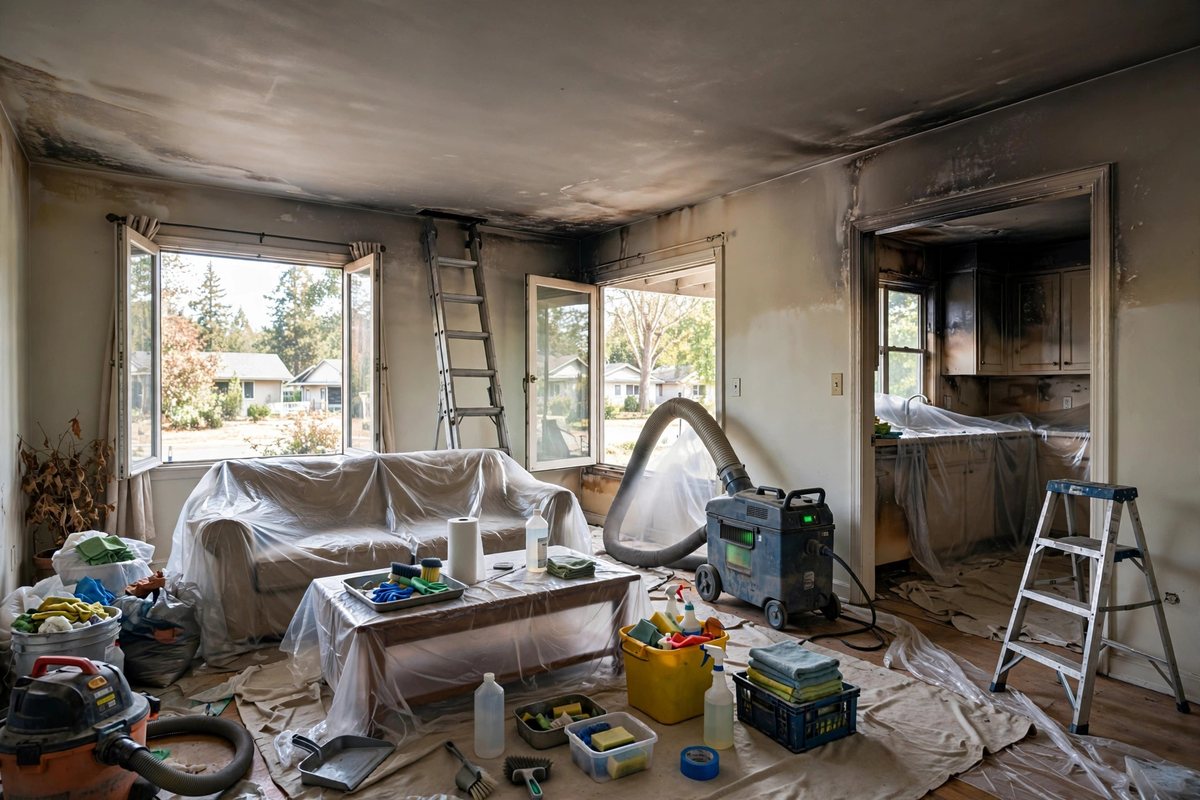
Fire and smoke damage restoration work in a Lebanon TN home

Signs and Causes After a Fire

Fire damage is rarely limited to charred wood or melted items. Heat can weaken finishes and wiring insulation, while smoke travels upward and outward, leaving acidic soot on ceilings, walls, fixtures, and contents. Water used to suppress the fire soaks flooring, drywall, insulation, and cabinets, and that moisture keeps moving after the trucks leave. In Wilson County homes, even a small, quickly controlled fire can leave a whole-house cleaning and drying need.

Watch for these common signs and causes in the days after an incident:

Acting promptly matters because the two problems reinforce each other. Damp soot is harder to remove, and moisture trapped behind walls can cause secondary damage. A walkthrough separates items that need cleaning, materials that need drying, and debris that needs removal.

How the Work Proceeds

  1. Assessment and Safety Check

    We begin by confirming the property is cleared for entry, then document fire, smoke, and water conditions room by room. We note structural concerns, electrical hazards, and areas where debris or weakened materials need attention before cleaning or drying equipment is placed.

  2. Board-Up Guidance and Debris Removal

    Broken windows, damaged doors, and roof openings can leave a home exposed to weather. We provide guidance on securing those openings and coordinate removal of burned debris so the interior can be cleaned and dried safely.

  3. Water Removal and Drying

    Water left from firefighting is extracted from floors and carpets, and drying equipment is set to draw moisture from walls, subfloors, and cabinets. Moisture readings guide placement, and progress is checked as drying continues so hidden pockets are not left behind.

  4. Smoke and Soot Cleaning

    Soot is removed using methods matched to the surface, from dry cleaning for delicate finishes to wet cleaning for durable materials. Walls, ceilings, fixtures, and contents are addressed in sequence, and HVAC openings are checked because residue inside ductwork can keep redistributing odor.

  5. Deodorizing and Final Review

    After cleaning and drying, deodorizing treatments help reduce remaining smoke odor, and a final walkthrough reviews moisture levels and cleaned surfaces. We explain what was done, what dried successfully, and any areas a contractor may need to repair or rebuild next.

Common Scenarios We Encounter

The situations below are illustrative examples of fire and smoke calls in Wilson County. They are general descriptions only, not accounts of specific customers, and your home may look quite different.

Kitchen Fire, Whole-Home Smoke

A stovetop fire is put out quickly, but smoke fills the house and leaves soot on ceilings far from the kitchen. Water from suppression pools on the cooking area floor and seeps into cabinets. The response focuses on extracting that water, drying the cabinet bases, and cleaning soot room by room so odor does not settle permanently into paint, fabrics, and stored clothing.

Garage Fire With Water Spread

A fire starting in an attached garage damages stored items and the shared wall, while suppression water flows into a laundry room and hallway. Charred debris must be cleared, the opening secured, and wet drywall and flooring dried promptly. Smoke cleaning extends into living areas because the connecting door allowed residue to travel well beyond the garage itself and into nearby closets.

Fireplace and Chimney Smoke Backup

A chimney problem pushes smoke back into a living room over several hours, coating walls, furniture, and curtains with fine residue without open flames in the room. There is little water involved, so the work centers on careful soot removal from varied surfaces, cleaning of soft goods where possible, and deodorizing to address the strong, lingering smell left behind in the room.

Frequently Asked Questions

Should I enter my home right after a fire?

Wait until fire officials say the property is safe to enter. Even when flames are out, weakened structures, hot spots, and electrical hazards can remain. Once entry is cleared, limit foot traffic through soot-covered areas, because walking on residue grinds it deeper into carpets and flooring and makes later cleaning more difficult.

Why is there so much water damage after a fire?

Suppressing a fire takes a large volume of water, and that water spreads into floors, wall cavities, insulation, and cabinets. It does not evaporate quickly on its own, especially under flooring or behind drywall. Prompt extraction and structured drying help prevent swelling, warping, and secondary moisture problems in the weeks that follow.

Can smoke odor be removed from walls and furniture?

In many cases, yes, when soot is removed properly before deodorizing. Different surfaces need different cleaning methods, and porous items can be harder to restore than hard surfaces. We assess each material during the walkthrough, explain what cleaning can reasonably achieve, and identify items that may not respond well to treatment.

What are your hours for fire and smoke work?

Our hours are Mon–Fri 7am–10pm EST, Sat 8am–10pm EST, and Sun 7am–9pm EST. If you reach out through the quote page, please describe the type of fire, which rooms are affected, and whether water is still present, so we can plan the assessment visit appropriately.

Do you handle the rebuild after cleanup?

Our focus is assessment, water removal, drying, soot cleaning, and deodorizing. Structural repairs and rebuilding are handled by your chosen contractors. We finish with a summary of cleaned and dried areas so the next crew understands the property condition when they begin.

Related Services

Fire recovery often overlaps with other restoration work. Many properties also need our core water damage restoration service for suppression water, followed by structural drying and dehumidification to address hidden moisture. When weather damage happens at the same time, storm damage restoration may also apply. See our service area page for water damage help in Lebanon, TN and nearby communities.

Need Help After a Fire in Lebanon?

Tell us what happened and which rooms are affected, and we will outline the next steps for assessment, drying, and smoke cleanup.

Request Service
Request Service