October 18, 2026 · Water Damage Tips
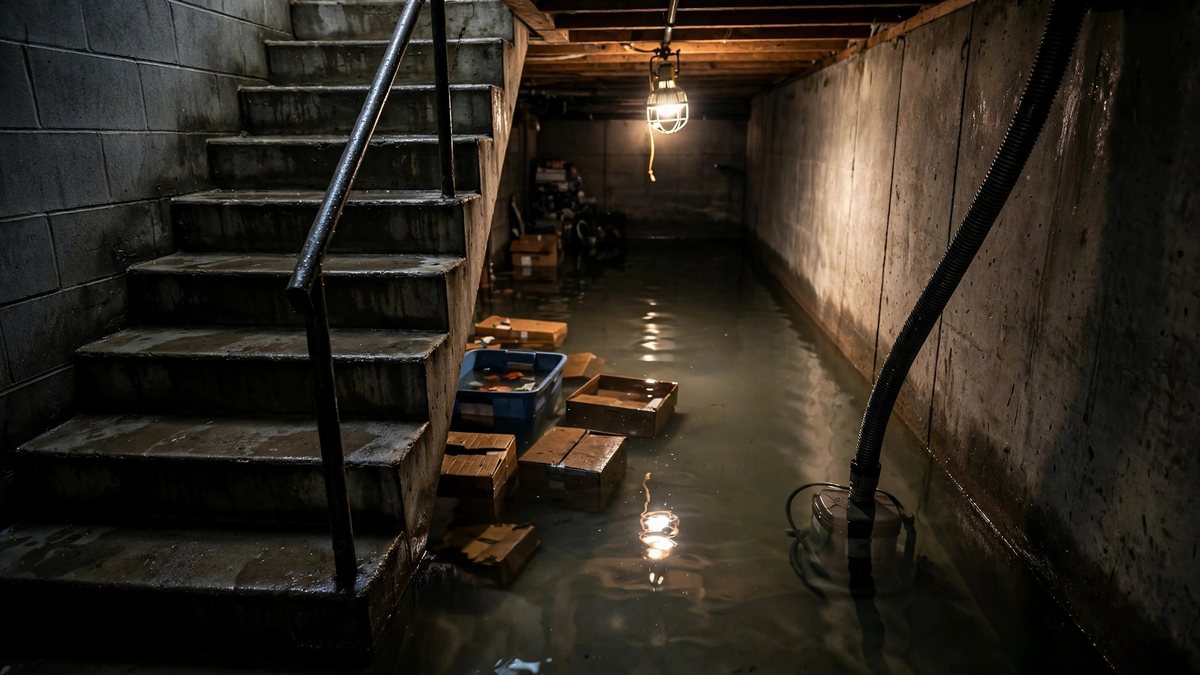
A flooded basement is stressful to discover, whether the water came from heavy rain, a failed sump pump, a burst pipe, or groundwater pushing in after a storm. Lebanon homes see all of these, and the cleanup approach matters as much as the speed. Working in the right order keeps you safe and gives your belongings and your home the best chance of drying well.
This guide walks through the steps we recommend: safety first, gradual water removal, careful sorting, thorough drying, and simple checks that help prevent a repeat.
Before entering a flooded basement, think about electricity. Water that has reached outlets, appliances, a furnace, or an electrical panel can carry current. If you can reach your breaker panel without walking through water, turn off power to the basement. If the panel itself is wet or surrounded by water, stay out and wait for qualified help.
Also consider what is in the water. Floodwater can carry soil, bacteria, and chemicals, and water mixed with sewage is a health hazard. Wear waterproof boots and gloves and wash thoroughly after any contact. Keep children and pets out until cleanup is complete. If you notice a gas smell, leave and contact your utility from outside.
It is tempting to pump a basement dry as fast as possible, but removing water gradually is safer, especially when the ground outside is saturated. Pumping too quickly can create a pressure difference that stresses foundation walls. A common approach is to lower the water level in stages, marking the level and checking how it responds.
If the water is deep, keeps rising, or is contaminated, professional extraction is the safer route. The right equipment removes water faster and handles disposal properly.
Once the standing water is out, work through belongings methodically. Move items to a dry area, driveway, or garage where you can inspect them, and separate them into clear groups.
When in doubt about an item that held contaminated water, err on the side of removing it. A porous item that cannot be fully cleaned can hold odor and mold long after drying.
Drying is where many cleanups fall short. Concrete, wood framing, and drywall can hold moisture for days after surfaces feel dry. Run fans to move air across floors and walls, use dehumidification to pull moisture from the air, and remove wet baseboards or lower drywall sections if water wicked upward. Check hidden spots, including under stairs, inside storage closets, and behind a water heater or furnace.
As the basement dries, find out why the water came in. Test your sump pump by pouring water into the pit and confirming it starts and shuts off correctly. Clear the discharge line, check that gutters direct water away from the foundation, and confirm the ground slopes away from the house. Addressing the cause is the most reliable way to prevent mold now and flooding later.
Drying time depends on the depth of water, the materials involved, and the equipment used. With active fans and dehumidification, many basements dry within several days, but concrete and framing can take longer and should be checked with moisture readings.
Carpet that sat in clean water briefly can sometimes be dried, but padding usually holds too much moisture and often needs replacement. Carpet soaked by groundwater or sewage-contaminated water generally should be removed for health reasons.
Common causes include a failed or undersized sump pump, a blocked discharge line, gutters that empty too close to the foundation, and soil graded toward the house. Heavy rain can also raise groundwater that enters through floor and wall joints.
Test it a few times a year, and always before the wettest seasons. Pour water into the pit, confirm the float rises and the pump runs, and check that water discharges away from the house without backing up.
For a flooded basement, our team provides dedicated basement flooding cleanup and thorough water extraction and removal to get standing water out and drying started. Learn how we help homeowners in Lebanon, TN, and let us know if you need help working through these steps.
Start with safety, then get the water out. Contact Lebanon Water Damage Pros to request service and plan your cleanup and drying.
Request Service