November 2, 2026 · Water Damage Tips
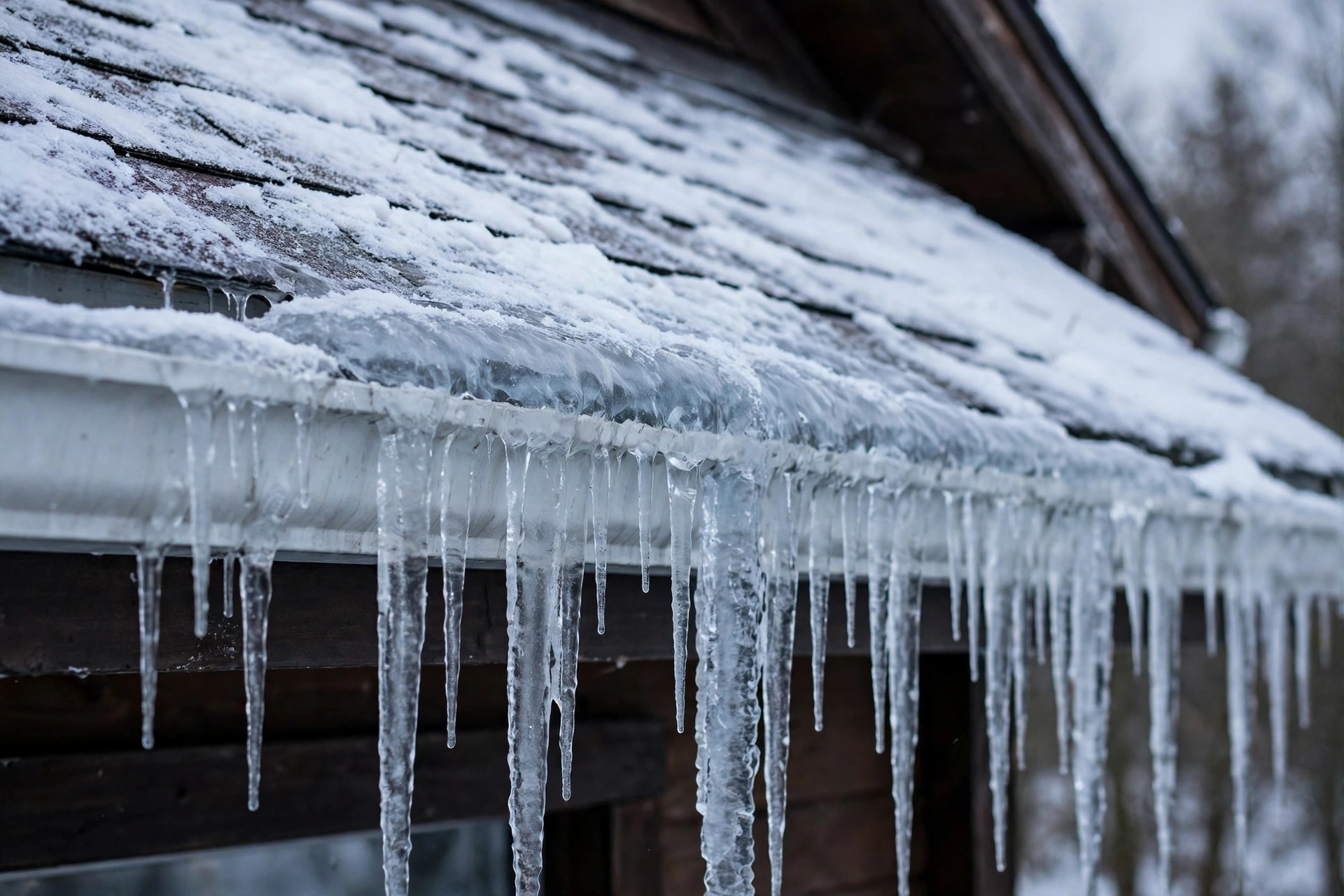
Tennessee winters are not as harsh as those farther north, but Lebanon still gets the freeze-and-thaw cycles that create ice dams. The pattern is simple and destructive: snow on the roof melts, the water runs down to the colder roof edge, and it refreezes into a ridge of ice. Meltwater then pools behind that ridge and, with nowhere else to go, backs up under the shingles and into the house.
The damage often shows up far from the roof edge itself — a stain on an upstairs ceiling, damp insulation in the attic, or peeling paint near an exterior wall. Understanding why ice dams form is the first step to stopping them, and the fix is usually about heat and ventilation rather than the ice itself.
An ice dam needs two things: snow on the roof and an uneven roof temperature. Heat escaping from the living space warms the upper roof, melting the snow there, while the overhang beyond the heated walls stays below freezing. Water runs down, hits the cold edge, and freezes. Each cycle adds another layer to the dam.
Poor attic insulation and air leaks around light fixtures, attic hatches, and ductwork are the usual heat sources. Clogged gutters make things worse by giving meltwater a place to pool and freeze. In short, an ice dam is often a symptom of an attic problem, which is why it tends to return to the same roof edge winter after winter.
Water backed up behind a dam soaks through roofing underlayment, decking, and insulation. The first signs inside are ceiling stains near exterior walls, damp attic insulation, and sometimes water dripping from light fixtures on the top floor. Left alone, the moisture feeds mold in the attic and weakens framing over time.
Gutters and downspouts suffer too. The weight of ice can pull gutters away from the fascia, and repeated freezing and thawing cracks seals and joints. If you notice icicles forming in the same spot every winter, treat that as a warning sign rather than a decoration — it marks the roof edge where water is collecting.
Do not climb onto an icy roof, and do not chip at a dam with a hammer or axe — both are dangerous and both can damage shingles. From the ground, a roof rake can remove snow from the lower few feet of the roof, which reduces the meltwater feeding the dam. Inside, catch drips, move belongings away from the stain, and note where water is entering.
If water is actively coming in, the priority is limiting interior damage: buckets, towels, and airflow to the wet area. A professional can assess the attic and roof once conditions are safe. Storm damage restoration covers cleanup when winter weather is the cause, and water damage restoration covers the interior drying that follows.
The long-term fix is keeping the roof cold and even: seal air leaks into the attic, add insulation where it is thin, and make sure attic ventilation is working so the roof deck stays close to outdoor temperature. Clean gutters in the fall so meltwater has a clear path off the roof, and keep downspouts extended away from the foundation.
For homeowners in Lebanon, TN and Watertown, TN, a fall roof and attic check catches the insulation gaps and gutter clogs that feed ice dams. Our frequently asked questions page covers drying timelines and what to document after a leak.
Large icicles along one roof edge often are, especially if they return to the same spot each winter. They show meltwater is refreezing at the eave.
Removing snow from the ground with a roof rake is reasonable. Climbing onto an icy roof or chipping ice off shingles is not — both risk injury and roof damage.
It helps a great deal. Sealing attic air leaks and adding insulation keeps the roof deck cold and even, which is what prevents the melt-and-refreeze cycle.
Catch the water, protect belongings and flooring, and get the attic and ceiling assessed. Water trapped in insulation keeps feeding mold until it is dried.
If an ice dam has let water into your attic or ceilings, our team can help with water damage restoration and structural drying and dehumidification. Learn more about how we serve homeowners in Lebanon, TN, and reach out when you are ready for help assessing the damage.
Standing water and damp framing only get worse with time. Contact Lebanon Water Damage Pros to request service and get a clear plan for drying and cleanup.
Request Service Call (615) 759-0522