November 5, 2026 · Water Damage Tips
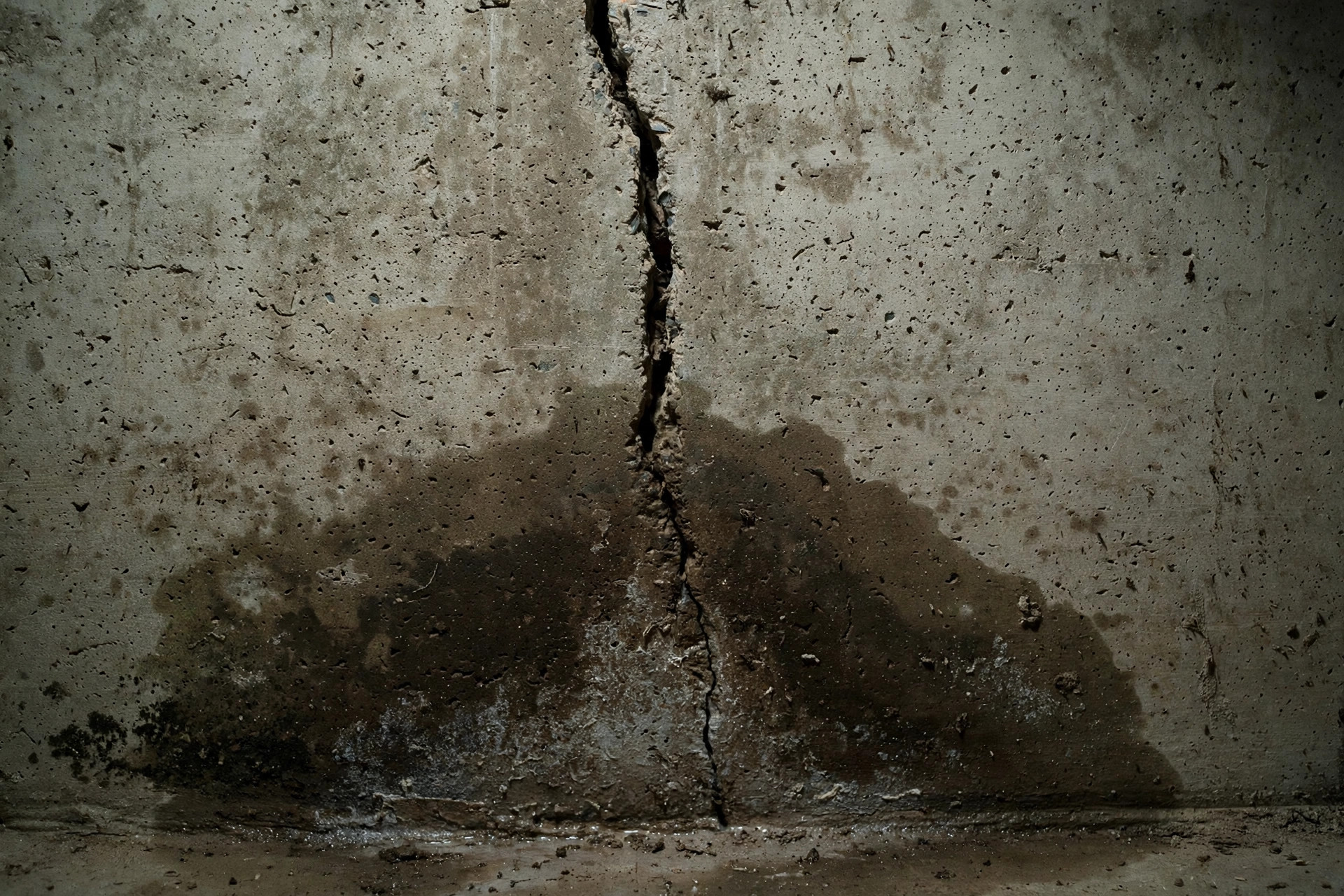
Foundation cracks worry every homeowner who finds one, and for good reason — a crack is an opening, and water will use any opening it can find. But not all cracks are equal. Some are normal settling marks that stay dry for decades, while others widen, leak, and signal soil or drainage problems that need attention. Learning to tell them apart saves both panic and neglect: the harmless crack gets watched, the serious one gets addressed before the next heavy rain.
This guide covers the common crack types in Lebanon, TN homes, how water uses them, and the warning signs that mean a crack has moved from cosmetic to consequential.
Hairline vertical cracks are the most common and usually the least alarming. They often appear as concrete cures and settles in the first years after construction, and if they stay thin, stable, and dry, they are typically monitored rather than repaired. Horizontal cracks are a different story: they often mean lateral pressure from saturated soil pushing against the wall, and they deserve a professional look sooner rather than later.
Stair-step cracks in block foundations follow the mortar joints and often point to differential settling — one part of the foundation moving more than another. Diagonal cracks near corners or windows can mean the same thing on a smaller scale. Any crack that is widening, that has one side higher than the other, or that appears alongside sticking doors and windows is telling you the foundation is moving, not just settling.
A crack does not need to be wide to let water in. Hydrostatic pressure — water building up in the soil against the foundation after rain — pushes water through even hairline openings, and once a path exists, freeze-thaw cycles and repeated wetting can widen it over time. That is why a crack that leaked once in a heavy storm is likely to leak again, and often worse, in the next one.
The water rarely stops at the wall. It wicks into framing, soaks stored items against the wall, and raises humidity in the basement or crawl space, which feeds mold growth. Crawl space water damage often starts exactly this way, and clogged gutters and downspouts make it worse by dumping roof water right beside the foundation, increasing the pressure that drives water through the crack.
Water is the clearest warning: dampness, staining, or efflorescence — that white, chalky mineral deposit — along a crack means water has been moving through it. A crack that grows between inspections, that develops a horizontal component, or that is accompanied by bowing or leaning in the wall needs prompt assessment. Inside, watch for musty odors, damp baseboards, and floors that feel uneven near the wall.
Also watch what happens outside. Soil that pulls away from the foundation in dry weather and swells against it when wet, downspouts that discharge beside the wall, and grading that slopes toward the house all increase the pressure on a cracked wall. Fixing the water source — grading, gutters, and drainage — is often as important as addressing the crack itself.
Start by reducing the water pressure: extend downspouts away from the house, correct grading so soil slopes away from the wall, and keep gutters clear. For the crack itself, interior sealants can stop a minor, stable leak, but a crack that is moving, widening, or leaking repeatedly needs a structural assessment — sealing a moving crack from the inside alone is a temporary fix at best.
If water has already entered, drying matters as much as sealing. Basement flooding cleanup and structural drying and dehumidification address the moisture already inside, and our frequently asked questions page covers drying timelines. Homeowners in Gladeville, TN and across Wilson County see the same soil and drainage pressures as those in Lebanon itself.
Usually not, if they stay thin, stable, and dry. Monitor them over time; a crack that widens or starts leaking needs a closer look.
It often means soil pressure is pushing against the wall. Horizontal cracks deserve a professional assessment sooner rather than later.
That is efflorescence — mineral salts left behind as water moves through concrete and evaporates. It is a sign water has been passing through the crack.
A minor, stable crack can sometimes be sealed from the inside, but a moving, widening, or repeatedly leaking crack needs a structural assessment first.
If water is coming through a foundation crack, our team can help with basement flooding cleanup and crawl space water damage assessment. See also our guide to slab leak warning signs, and learn more about how we serve homeowners in Lebanon, TN.
Standing water and damp framing only get worse with time. Contact Lebanon Water Damage Pros to request service and get a clear plan for drying and cleanup.
Request Service Call (615) 759-0522